Why is my Cavalier so small? That is the question you have probably asked yourself when you have happened to look at your little Cavalier King Charles Spaniel. — you’re not alone. These loving dogs are often of different sizes, and on some occasions, one of the pups appears so tiny in comparison to their brothers and other Cavaliers in the park. Although this may be cute, it may also be a point of concern to dog parents who care about their dogs. Knowing what influences the growth of your Cavalier could allow you to provide them with a healthy, thriving and happy life at all ages.
Table of Contents
What is the meaning of a Cavalier being Small?
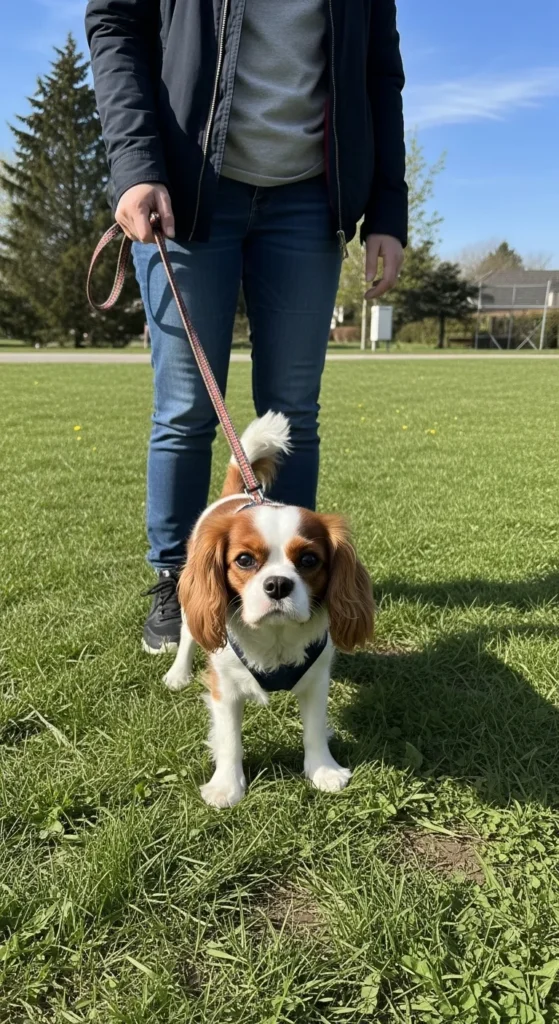
A small Cavalier King Charles Spaniel is normally a dog that weighs less or is shorter than the breed standard.
The American Kennel Club (AKC) suggests that adult Cavaliers weigh 13-18 pounds (5.9-8.2 kg) with a height of approximately 12-13 inches (30-33 cm) at the shoulder.
In case your Cavalier is much smaller than this, even when he is full-grown, there may be many reasons, both genetic and nutritional and other health or developmental factors.
Why is it Important to the Health of Your Dog?
The size itself is not necessarily the issue at all, although it can be a clue to some health-related problems in some cases, as a person may be either underweight or unusually small.
Keeping your Cavalier in good health helps your horse maintain:
- Bone and joint health (as Cavaliers are likely to get hip dysplasia)
- Heart health: The cavalries are genetically susceptible to heart diseases such as mitral valve disease.
- Neurological health: Good nutrition promotes the growth and vitality of the brain.
- General wellness: A well-bred dog is in a better position to play, train and survive.
Knowing the reason behind your Cavalier’s being small will enable you to address problems in their early stages and maintain them in their most positive state.
Typical Answers to Why your Cavalier King Charles Spaniel is small.
We will discuss the most popular–and scientifically proven reasons for a small Cavalier King Charles Spaniel.
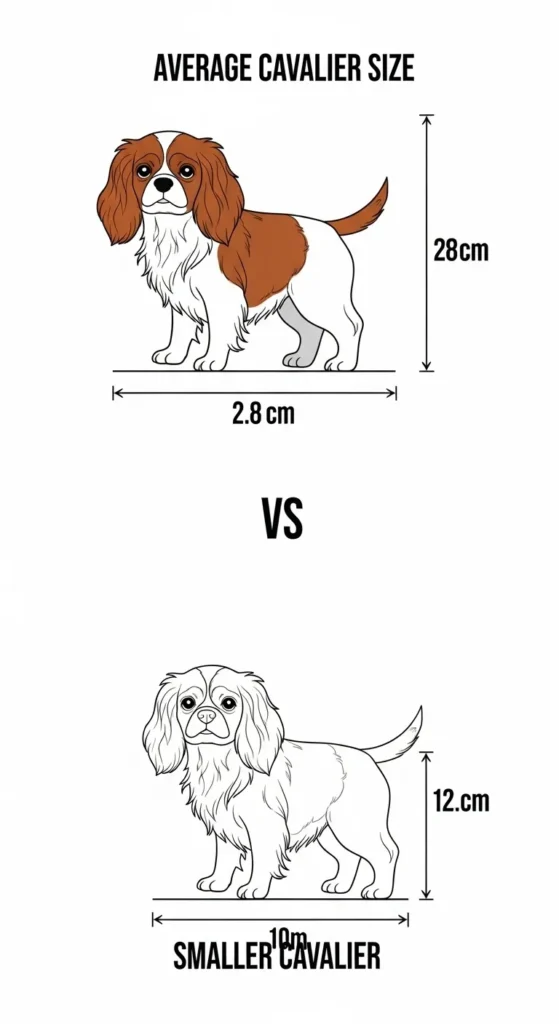
- Genetics: Bloodlines or Too Small to Be Natural Parents. Dogs, just as human beings, are inherited in terms of size. Others are just produced out of smaller lines, and refer to them as pet size or teacup (though serious breeders do not, regardless of good breeding, use that designation). Provided that both parents are on the smaller end of the breed standard, then your puppy will most likely be the same.
Vet note: Small genetics are hardly an issue as long as your pup eats well, feels active and does not have any health issues.
- Diet (Malnutrition): Balanced nutrition is required for puppies to develop. The absence of any high-quality protein, fats, vitamins, or minerals in the early stages of development may result in underdevelopment. A commercial puppy food containing AAFCO (Association of American Feed Control Officials) standards is designed to achieve optimal growth.
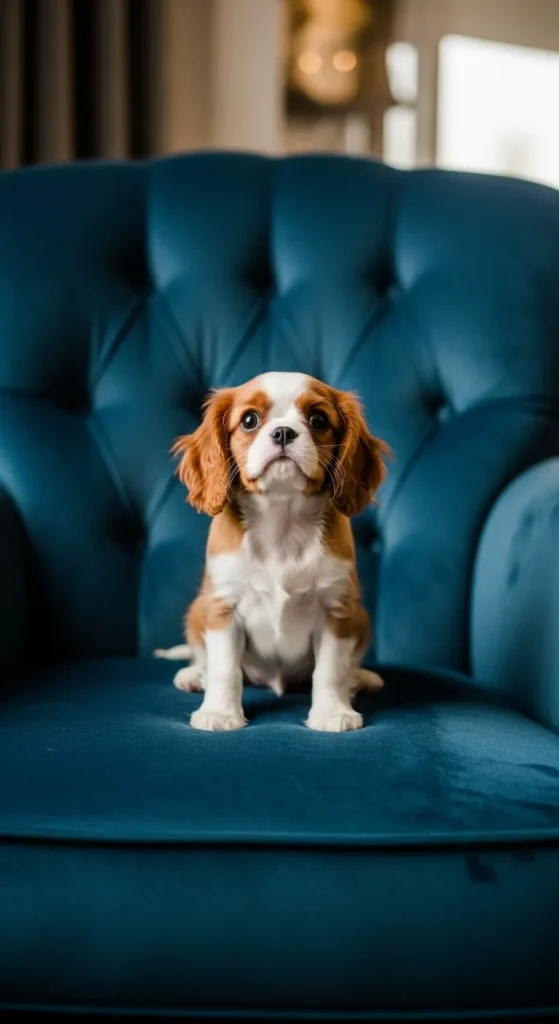
Note: Select that which is stamped complete and balanced to grow (as a small breed puppy). Homemade diets should only be avoided unless a veterinary nutritionist has developed them.
- Illness or Parasites: Inside parasites, such as roundworms or hookworms, can steal the important nutrients in your Cavalier that are needed for growth or weight loss. The result of being underweight or undersized may also be due to other conditions, including liver disease, problems with the intestines, or congenital defects. Watch for signs:
- Dull coat or hair loss
- Reduced appetite
- Loose stool or vomiting
- Lethargy
You will want to have your vet examined with a faecal test and overall physical on the off-chance that you find any of these.
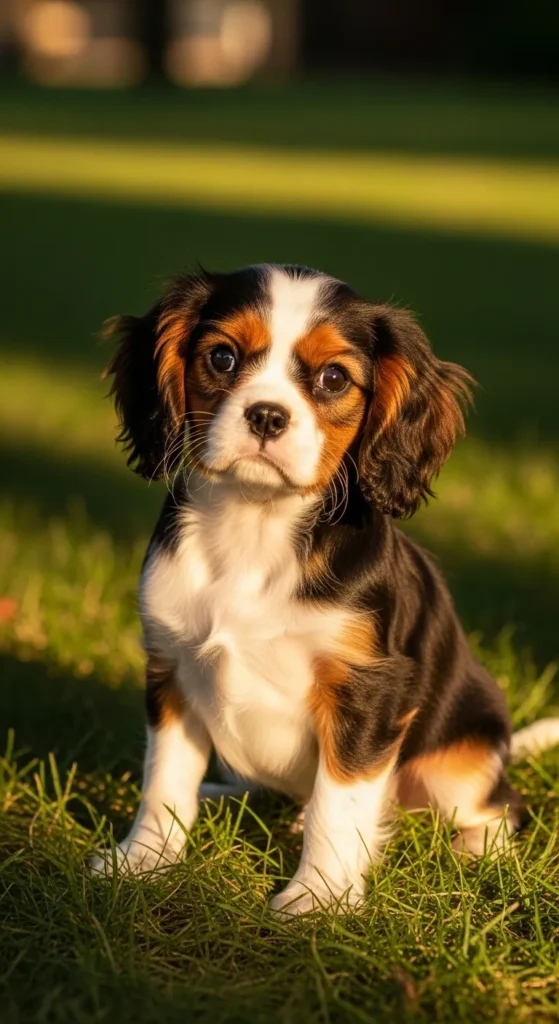
- Overbreeding or Inappropriate Breeding.
Unfortunately, not all breeders are health-conscious, as they have in mind aesthetic value or profit. This may result in a smaller stature of the Cavaliers because of hereditary health complications or lack of proper care early in life.
Best breeders comply with AKC, perform genetic testing, and feed puppies and parents well and with quality care.
- Cardiovascular Disease or Metabolic Disease.
Cavaliers also suffer from mitral valve disease, which influences the blood circulation and metabolism. Adults with a mild heart problem and puppies may burn energy quickly or have a lower appetite, thus being smaller.
Both small and big Cavaliers can have a heart condition; however, a cardiac examination can be prescribed by your vet in case the size or weight gain of your dog is lower than the average.
- Growth Plate or Hormonal Disorders.
In rare cases, development can be influenced by hormonal disorders such as hypothyroidism or growth hormone deficiencies.
You should take your Cavalier to your vet, and he or she may recommend that you take blood tests in case of slow growth, even with good food and care.
Indications of a Cavalier being either too small or too skinny.
Smaller size is not necessarily unhealthy – yet there are warning signs that indicate something to be suspicious.
- No tender abdominal ribs or spine.
- Lack of muscle tone
- Low energy levels
- Poor coat condition
- Anorexia or inability to have an appetite.
Vet tip: You can feel the ribs of your Cavalier (not see them) and see a slight curvature of the waist when you look at him as though you are flying.
How to make your small cavalier grow and remain healthy.
In case your cavalier is less than average but generally healthy, aim for supportive care. The following measures can contribute to the best development and energy.
Feed Quality small breed puppy or adult formula.
Look for dog foods rich in:
- Protein (animal, chicken, turkey, salmon).
- Antioxidants (including omega-3 fatty acids, which are also important in skin and brain health)
- Calcium and phosphorus (calcium and phosphorus are required to grow bones)
Never use a low-calorie or a diet formula without veterinary approval.
- Have a regular feeding schedule: Puppies should be fed in small portions several times a day (3-4 times). This helps to lift the energy level and avoid blood sugar drop – particularly in toy breeds.
- Regular Vet Checkups: Have at least two wellness examinations a year scheduled. The vets will be able to monitor weight and growth, and diagnose possible problems in the earlier stages, like dental problems or heart murmurs.
- Deworm and Vaccinate on Schedule: Prevention of the parasites is crucial. Deworm and control your fleas and ticks/bites following the instructions of your vet, particularly in the first six months of your puppy.
- Light Physical Activity and Enrichment: Small Cavaliers require the exercise of healthy muscle and bone on a daily basis.
- Indoor play, short walks, and puzzle feeders are the best when it comes to building strength without excesses.
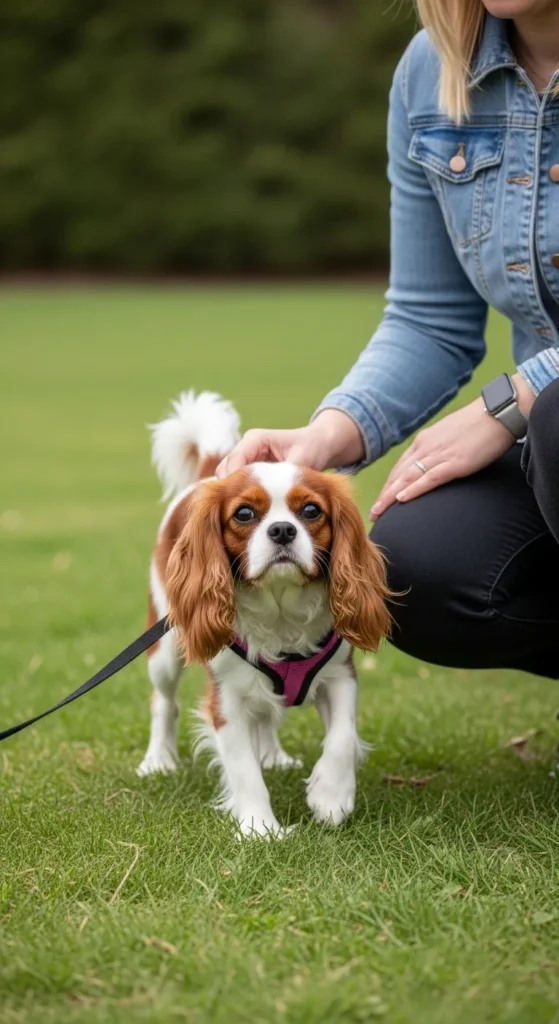
Vet Insights and Notes Expert.
Veterinarians stress that size is not the most effective measure of health.
The American Veterinary Medical Association (AVMA) says that it is important to maintain body condition score (BCS) rather than weight.
According to Dr Jennifer Coates, DVM, frequent appetite, bright eye, healthy coat, and constant energy are the best indicators of well-being in diseases regardless of their size.
Common Mistakes to Avoid
- Being fed or fattened up to make him grow.
- Missing parasite protection or vaccination.
- Poor health with no diagnostics = small size.
- Consuming human supplements or scraping tablets for supplementary calories.
- Reality Check: Twitching your dog too much by comparing it to other dogs – genetics count!
FAQ’s
Is it natural that some Calvysers should be taller than others?
Yes! There are those lines that are naturally inclined to give smaller dogs that are in the breed standard. Genetics plays a major role.
Is my Cavalier healthy even though it weighs less than 12 pounds?
Yes, provided your vet attributes to you healthy muscle tone, appetite and no medical problem
Will he, my Cavalier, increase in the next year?
The majority of Cavaliers attain full height at the age of 10-12 months and flesh it out at 18 months.