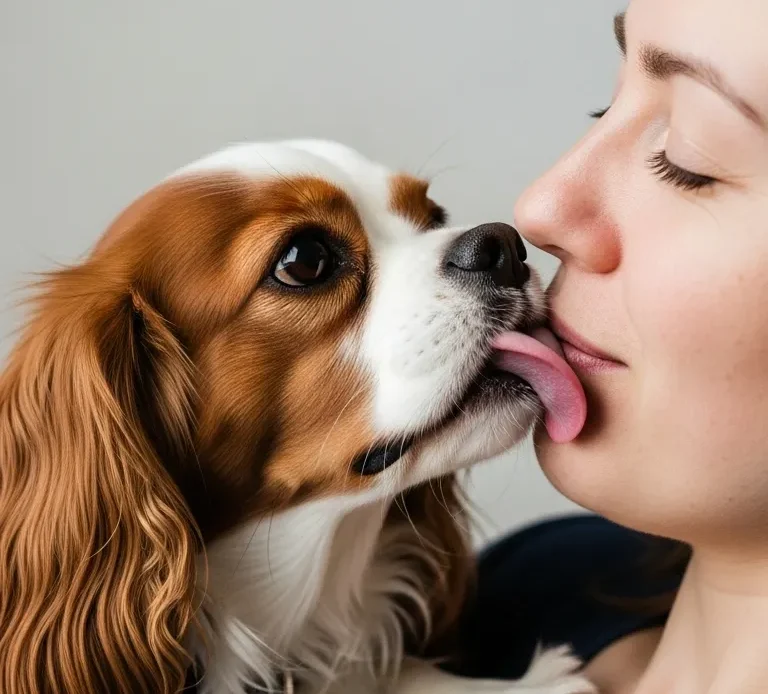
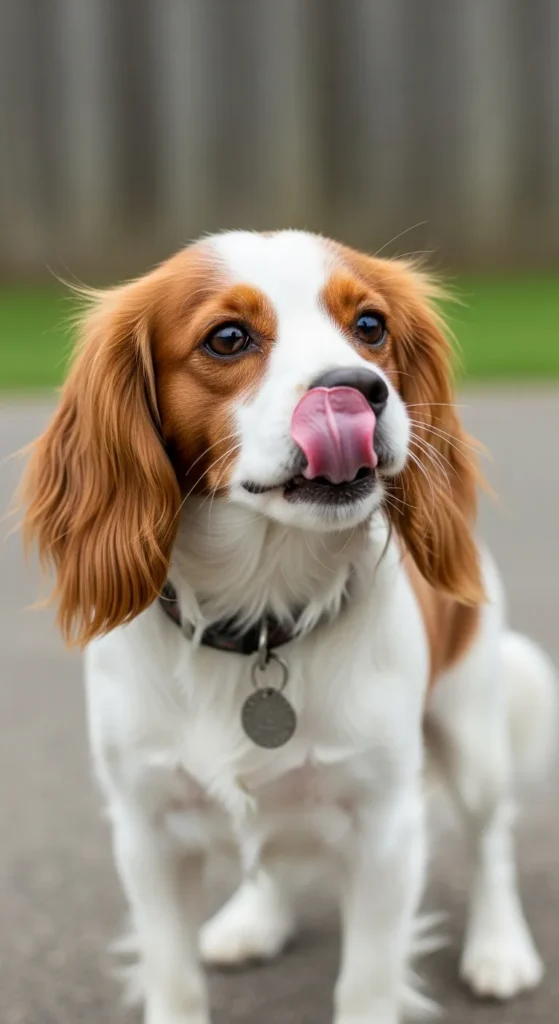
You do not need to read further, because you already know about the Cavalier King Charles Spaniel; he is a professional snuggler and specialist kisser! Their licking you all the time (and even the couch) may seem like they are saying that they love you. However, there are exceptions when Cavaliers kiss too much; it is not only love but also can be a sign of stress, discomfort, or even a health problem.
It is one thing to know why your Cavalier is licking so much and then be able to react with love and reason. Be it their lovey-dovey disposition or not, this guide separates the facts on the ground regarding the reasons that underlie this cute, and even confusing, behavior, which is supported by the Vets.
Table of Contents
When does a Cavalier Lick a Lot?
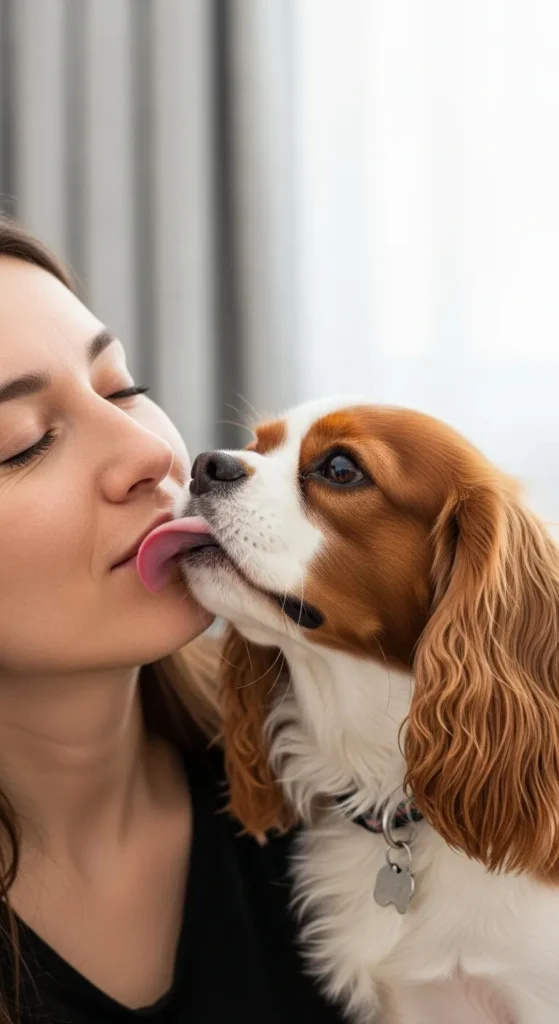
Licking is a behavioral activity of a dog. In the case of Cavalier King Charles Spaniels, it is all a matter of love, instinct, and communication.
When the puppies are in need of comfort and food, they lick their mother. Since they are adults, Cavaliers usually tend to transfer that parental instinct to their humans – to be loving, to demand attention, or even to sample lingering food smells!
Nevertheless, licking too much, in particular, paws, furniture, or air can be an indicator of something more severe, such as allergies, anxiety, or pain.
In brief, there is nothing wrong with licking. It is an indicator, and it is knowing the meaning of that indicator that makes you look to the emotional and physical needs of your Cavalier.
Why It Matters
Licking is not a lovable habit, but a peek into the health and feelings of your dog. Although the occasional licking is harmless, excessive or compulsive licking may result in such problems as:
- Skin irritation or hair loss
- Constant moisture infection.
- Gastroenterological problems caused by the consumption of hair or debris.
- Preexisting medical conditions that are being ignored.
This behavior can be learned to decode, and therefore, you can react early before it gets uncomfortable and cement your relationship with your Cavalier.
Why Do Cavaliers Lick So Much? (vet-backed Reasons)
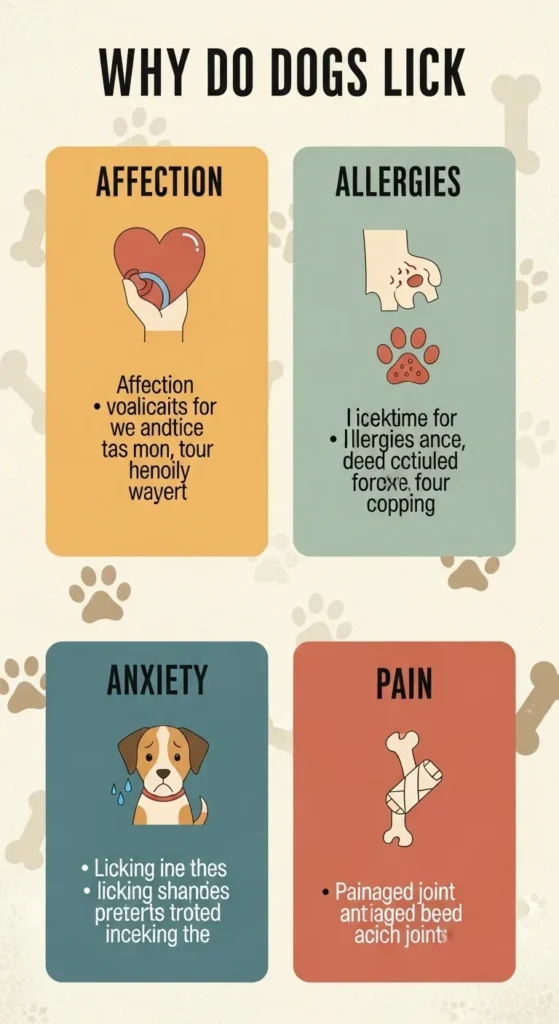
1. Affection and Bonding
The cavalries are known to be fond. Endorphins are released in dogs when they are licked – it makes them feel relaxed and comfortable, as well as you. When your dog is licking your hands or your face, it is their way of expressing their love and strengthening your bond.
2. Anxiety or Stress
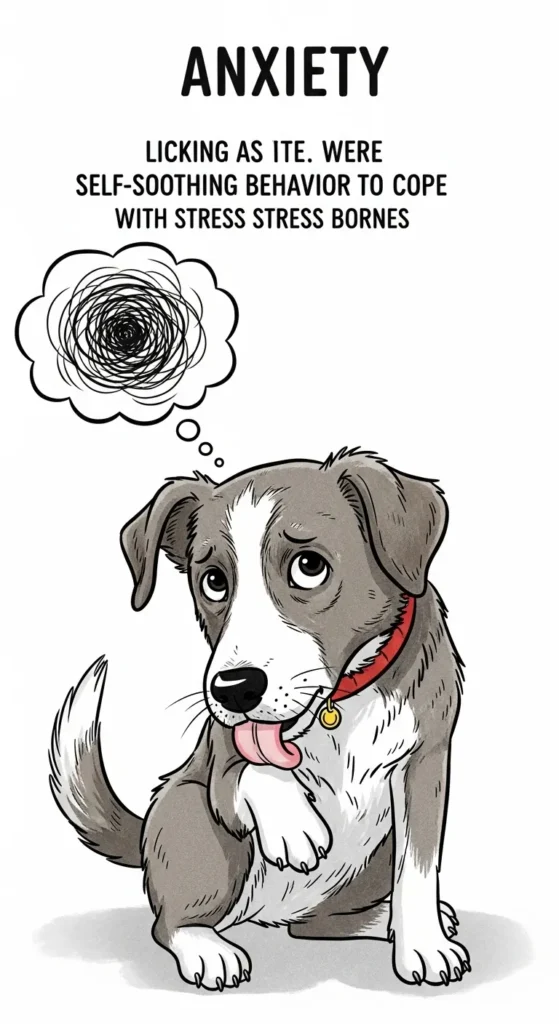
Cavaliers are dogs with tender hearts. When they are nervous or bored or lonely, they may lick and lick themselves to calm themselves down – just as a human being in a nervous habit such as nail-biting. Common triggers include:
- Separation from owners
- Remarkable sound (thunderstorms, fireworks).
- Routine changes
In case your Cavalier is overly licking when you are away or at times of stress, then it is probably because of anxiety.
3. Dermatitis and Hypersensitivity.
Excess licking of the paw or skin is mostly caused by allergies. Cavaliers are sensitive to:
- Asthma allergens (pollen, grass, dust mites)
- Food ingredients (chicken, beef, wheat, soy).
- Fleas or topical irritants
The continuous licking of paws or belly usually indicates itchiness that may deteriorate without the attention of the vet.
4. Oral or Dental Problems
Licking may sometimes signify a problem with the mouth. Gum disease, loose teeth or ulcer. Cavaliers are the type of cattle that is predisposed to oral problems because of their tiny mouths and crowded teeth.
To have your dog checked up to the dentist in case it drools, has bad breath, or licks every time after meals.
5. Pain or Discomfort
Dogs occasionally lick painful places – e.g. joints, paws, operation scars. In case of Cavaliers, localized licking may occur because of luxating patella or arthritis. This is their primal effort to appease suffering.
6. Taste or Habit
You see, sometimes your Cavalier, you know, likes you! Crumbs, lotion, or sweat on your skin may be irresistible. When it is light and rare, then it is just a simple case of curiosity in them.
Signs Of Excessive Licking
Here is a way of determining when it is not cute, yet worrying that people lick crosses:
- Licking one area (particularly, paws or legs) constantly.
- Hair loss, redness, or scabs
- Soggy patches of fur or discoloration.
- Licking a floor over and over.
- Whining, restlessness, or panting as he/she licks.
Whenever you see these signs, then you need to eliminate medical or emotional causes with your veterinarian.
Solutions & Care Tips
Step 1: Visit the Vet
The best place to start is a comprehensive test on the dog. They’ll check for:
- Skin infections or hot spots
- Either food or environmental allergy.
- Dental problems
- Pain or joint issues
The underlying cause can be diagnosed with help of diagnostic tests (such as skin scrapings or allergy panels).
Step 2: Therapy of Preexisting Problems.
Treatment can be provided, including:
- Drugs: antihistamines, antibiotics or anti-itch medication.
- Special diets: Hypoallergenic/limited ingredient dog diet.
- Prevention Fleas and Ticks Monthly flea prevention.
- Dental cleaning: In case of oral related licking.
Step 3: Take Care of Emotional Health.
In case of licking caused by stress and anxiety, pay attention to the emotional health:
- Have interactive toys and mental stimulation.
- Maintain a regular day to day routine.
- Employ positive reinforcement in the course of training.
Attempt to relax with such things as pheromone diffusers or supplements recommended by the vet (never without consulting the vet). Cavaliers love company, they abhor solitude most of the time.
Step 4: Redirect the Behavior
In the case of a habit of licking, redirection is a good thing:
- Provide a lick mat or a chew toy with peanut butter (dog safe).
- play a little, or take a slight stroll.
- Reward on them when they quit licking and refocusing.
- Punishment should be avoided because it may enhance anxiety and complicate the correction of the behavior.
Step 5: Enhance diet and grooming.
An omega-3 fatty acids (fish oil) diet is beneficial as it helps maintain the health of the skin and also decreases itchiness. Frequently bathing also helps avoid irritation and helps you notice early signs of such problems as dry skin or flea bites.
Vet Insights / Expert Notes
The fact that licking is among the most prevalent canine behavioral issues is agreed upon by veterinarians, yet the behavior is among those that are least understood.
The American Veterinary Medical Association (AVMA) recommends the owner to monitor the circumstances associated with licking including when, where, and how frequently.
The American Kennel Club (AKC) also lays stress on early intervention – preventing skin infections and the habitual pattern of anxiety can be achieved in the early years when excessive licking is detected.
In case of doubt, make a little video on the behavior of your Cavalier and forward it to your vet. Context matters.
Common Mistakes To Avoid
- Not paying much attention to excessive licking or treating it as a show of affection.
- Scolding your Cavalier (gives him anxiety) because he licks.
- Home remedies without the vet consultation.
- Excessive bathing or scented shampoo which aggravates irritation.
- Negligence in dental cleaning and flea treatment.
FAQ’s
Is it usual that cavalier should lick their mistresses to a point?
Yes–hogs of the cavalry are sweet creatures, and they know how to lick to say they love you. Only when it is too much or too obsessive is it a concern.
Why then does my Cavalier always lick its feet?
Licking of paws is usually a sign of allergies, irritation or pain. Continued licking of paws must be likened by a vet.
Is it possible to lick and it is an indication of anxiety?
Absolutely. Cavaliers are sensitive and tend to lick themselves as a way of calming down when under stress or when they are alone.
What will I do to prevent my Cavalier licking furniture or air?
Divert the behavior by toys, enrichment and exercise. Consult a vet or certified dog behaviorist, in case it persists.
Shall I allow my Cavalier to lick my face?
Although it is an expression of love, face-licking should be avoided as much as possible due to the risk of bacteria transfer (especially in children or immunocompromised people).
Closing Thoughts
Whenever he licks your Calvie, he is communicating something to you, whether it is reassurance, interest, or even pain. Through training to understand their actions, you are the most preferred type of dog parent, understanding, responsive and loving. And be it a sweet kiss, or a foretelling, you know you have your Cavalier in its rightful place with awareness and guidance of the Vets, you will be certain the Cavalier is happy in all its wags and in every lick of its tongue.