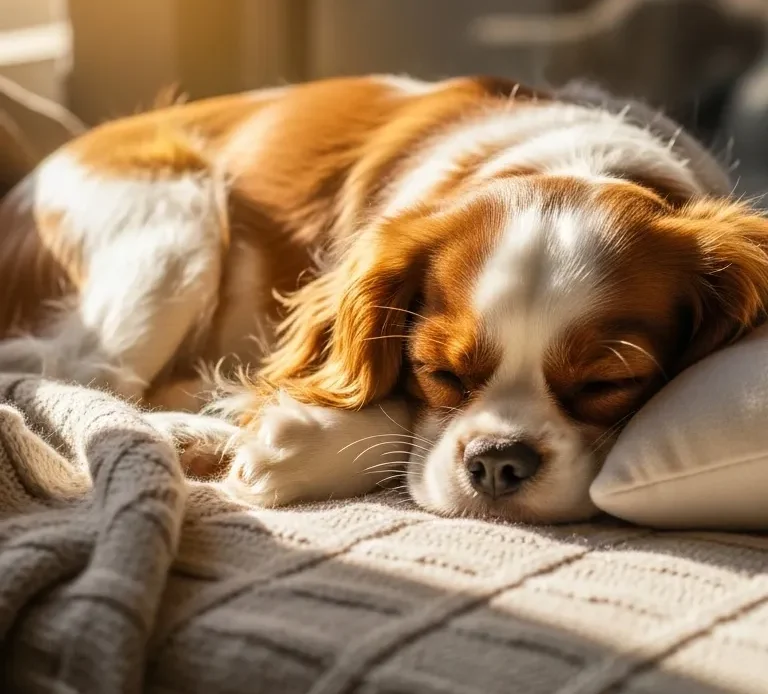
When you have a Cavalier King Charles Spaniel as one of the pets in your house, you are likely to have encountered one cute aspect they enjoy: sleeping. It doesn’t matter how much time it is in the morning, as they cuddle, or in the middle of the day when they are snoozing, these cute pups appear to spend half of their lives sleeping.
But is it normal? Or might it be rather something more?
The gentle and affectionate breed is the Cavalier King Charles Spaniel, and due to the dog’s sleeping habits, dog owners are often left wondering whether the dogs simply have a personality that includes sleeping as part of their genetic makeup or if they are in a state of poor health. Why the Cavaliers sleep a lot will make you take care of them and ensure that they are happy and full of energy.
We will look into the reasons for the science, habits, and health of your Calvalier, why he sleeps so long when it is (or is not) time to worry.
Table of Contents
What Does It Mean When a Cavalier King Charles Spaniel Sleeps a Lot?
Sleep is a natural and necessary part of a dog’s daily rhythm. Adult dogs should sleep an average of 12-14 hours per day, and puppies and seniors may sleep up to 18-20 hours.
The calm nature and moderate energy levels of the Cavalier King Charles Spaniels tend to place them on the upper end of the same range. They are not as active as working breeds, such as Border Collies, nor as placid as large breeds, like Mastiffs. Rather, the Cavaliers play in surges and take lengthy and restful pauses.
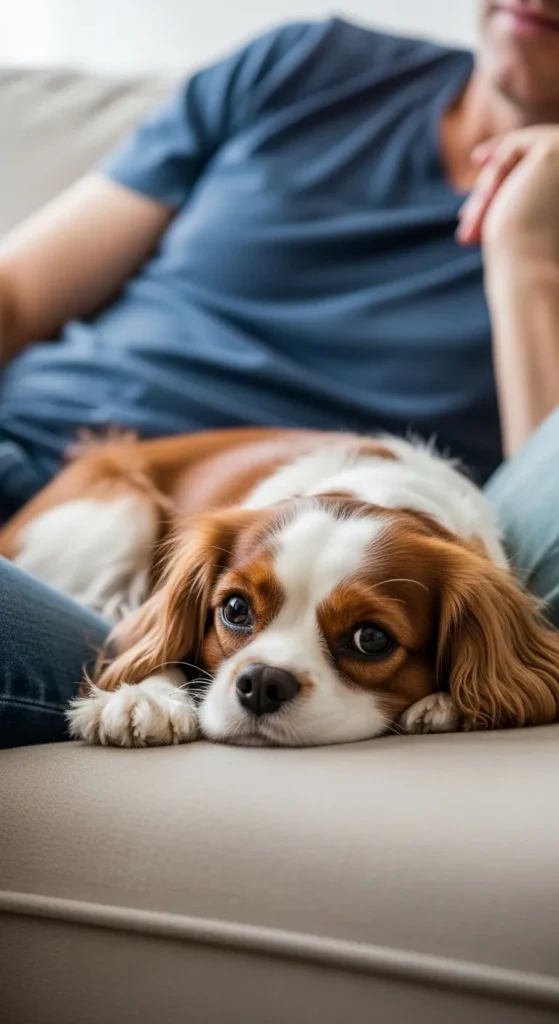
They just love to sleep, as usual, but in most situations, they think of you as their companion. Cavaliers are happiest when you are nearby; you can be having a rest, reading, or watching television.
The Importance of Sleep for Cavalier King Charles Spaniels.
Sleep, just as in human beings, is crucial in the physical and emotional well-being of a dog. In the case of Cavaliers, it is particularly significant in keeping them calm-tempered and generally in a good state.
- Physical Restoration: During deep sleep, a dog repairs tissues, develops muscle, and secretes growth hormones. Normal and healthy sleep play a crucial role in maintaining good immunity and promoting post-exercise recovery.
- Mental Rejuvenation: Cavaliers are emotionally sensitive dogs that are fed on human interaction. Sleep will enable them to process their experiences and cope with stress, allowing them to remain calm and loving.
- Balanced Behavior: A cavalier is more obedient, playful, and alert after taking a rest. On the other hand, sleep deprivation might cause irritability, restlessness, or anxiety.
- Healthy Heart and Weight: Since Cavaliers are prone to mitral valve disease and obesity, high-quality sleep helps the heart function properly, maintain hormonal balance, and regulate metabolism.
Why Do Cavalier King Charles Spaniels Sleep So Much? (The Real Reasons)
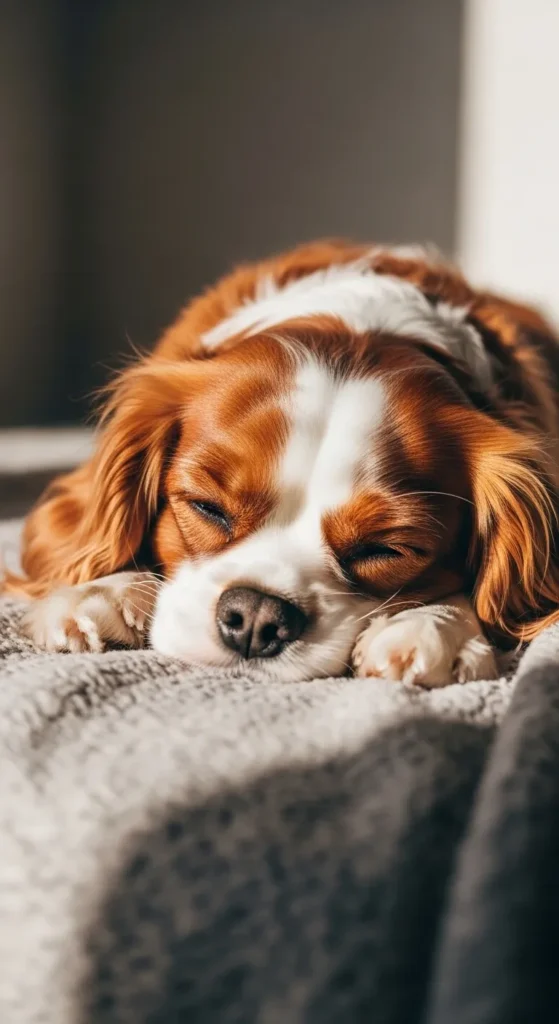
Categories of the most frequently used, science-based reasons why your Cavalier takes overly long naps.
- Their Character Is Calm by Nature.
Cavaliers were lap dogs in contrast to high-energy breeds that were used for work or as herders, as well as by royal families and families alike. Their carefree attitude suggests that they do not require constant entertainment, and they are content to sit and sleep beside the person they love.
They are Keeping up with Your Life.
Cavalries are well known for their versatility. Provided that you work at home, watch television, or spend silent afternoons reading, your dog will keep up with you and sleep more frequently. They reflect the habits of their owners in connection with one another.
- They are saving power to have fun.
Small, but spirited! Cavaliers! They tend to prefer brief play or walking, followed by long periods of rest. Their body automatically goes in swings between activity and deep relaxation.
Age and Development
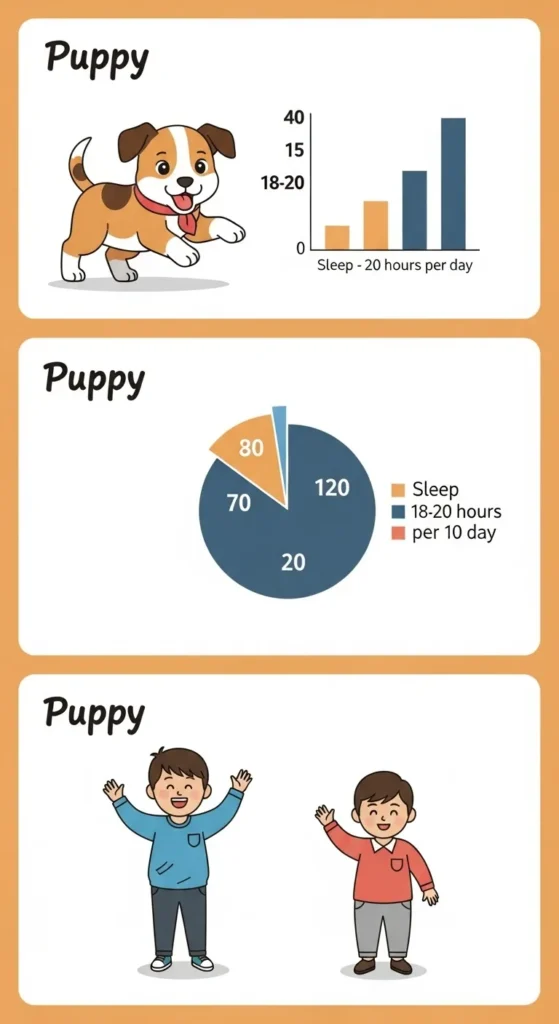
- Puppies require 18-20 hours of sleep in order to stimulate a high growth rate.
- Adults: 12-14 hours on average, and the activity level.
- Elderly people typically sleep 16-18 hours because their metabolism rate is slower and their joints are often too tired.
- Weather and Environment
During cold, rainy, or humid weather, cavaliers can sleep more. As with people, dogs are sensitive to daylight and temperature; bad weather usually results in the need to take a longer nap.
- Diet and Nutrition
Food of low quality may cause laziness. Cavaliers require a balanced diet with sufficient protein and healthy fats to remain energized. If they are oversleeping and appear weak, they should be revisited by your veterinarian regarding their diet.
- Health Conditions
In some cases, too much sleep can be an indicator of a health issue:
- Cardiovascular disease (cardiovascular heart disease in particular)
- Hypothyroidism (low thyroid hormone)
- Obesity
- Anemia
- Infections or pain
Call your veterinarian if your Cavalier appears excessively tired, unwilling to play, or exhibits changes in eating habits or breathing patterns.
How to know whether your cavalier is sleeping too much or not.
Although naps are nothing to be ashamed of, some of them may be warning signs:
- Takes most of the time napping and does not play.
- Not very interested in food or walking.
- Labored breathing or shows difficulty in breathing.
- Losses or gains in weight within a short period.
- Seems lost when he wakes up.
- Has demonstrated heart murmurs or weakness.
They can indicate heart, thyroid, or metabolic problems that are prevalent in the breed. Early detection requires regular veterinary checkups..
Training to encourage healthy sleep in your cavalier.
- A Comfortable Sleeping Space: A Soft mattress and a serene atmosphere are conducive to sleep. Keep out of the cold. Cavaliers are known for their fondness for being warm and cozy..
- Stick to a Routine: Regular feeding, play, and rest schedules can help regulate your dog’s natural sleep rhythm.
- Provide Moderation in Daily Exercise: Cavaliers should enjoy 30-60 minutes of moderate exercise daily. This helps them develop a strong heart and avoid laziness..
- Enrich Their Mind: Toys in the form of puzzles, scent games, and gentle training sessions will help prevent boredom and mental exhaustion.
- Watch for Signs of Stress: Sleep can be disrupted by alterations in domestic routines, loneliness, or anxiety. Be a friend, give a warm smile, or provide a sleep aid (such as a pheromone diffuser) when necessary.
- Schedule Regular Vet Visits: Checkups (or once every two years in the case of seniors) help in the early detection of heart disease, thyroid problems, or joint pain, which can cause sleep disturbances.
Vet Notes and Expert Insights.
Cavaliers are a breed that favors routine and rest (American Kennel Club, AKC, and Veterinary Centers of America, VCA). The genetics of lapdogs also mean that they sleep more than they run, and that is quite normal, provided their energy and appetite levels are stable.
Small companion breeds, such as Cavaliers, according to Dr. Marty Becker, a renowned expert in veterinary care, are prone to sleeping more because they are emotionally attached to the human rhythm, rather than a biological necessity. That is, when you are napping, they nap!
Nonetheless, veterinarians point out that any rapid changes in sleep, especially when combined with coughing, fatigue, or changes in appetite, may be early signs of cardiac problems, which are common in this breed.
Top Mistakes Made by Dog Parents.
- Supposing that all the long naps are just normal.
- Failure to change the diet or exercise according to the age of the dog.
- Disregard of initial symptoms of heart murmur or obesity.
- Exercising too much for the puppies or elderly people can tire them out.
- To supplement human sleep without approval.
FAQ’s
What are the maximum hours of sleep per day for a Cavalier King Charles Spaniel?
The majority of adult cavies sleep 12-14 hours a day. Seniors and puppies can sleep up to 18 hours, based on their health and lifestyle.
Is that all my Cavalier does, take a nap all afternoon?
Yes! Cavaliers are dogs that are easy-going by nature. They should be healthy as long as they play, eat, and otherwise behave as usual through regular naps.
Why then is my Cavalier so fatigued out of the ordinary?
The abrupt tiredness can be a symptom of such complications as heart disease, thyroid disorder, or infection. Get your vet to check you up.
Is it because my dog is bored, or because it sleeps too much?
Sometimes. Dogs can go to sleep when bored due to a lack of exercise or stimulation. Attempt more play or mental enrichment.
Would I rouse my Cavalier to take a siesta?
Generally, no. Otherwise, leave them alone unless you have to shift them or they have been unusually dozy and silent during hours.
Closing Thoughts
A slumbering Cavalier King Charles Spaniel is no cause to worry–it is one of their endearing, carefree natures. Their peaceful lifestyles make them remain grounded, loving, and happy friends. Nonetheless, being vigilant to change will help your furry friend receive the necessary care it deserves. Exercise, nutrition, and love are the keys to making sure that whatever your Cavalier dreams about is always sweet.