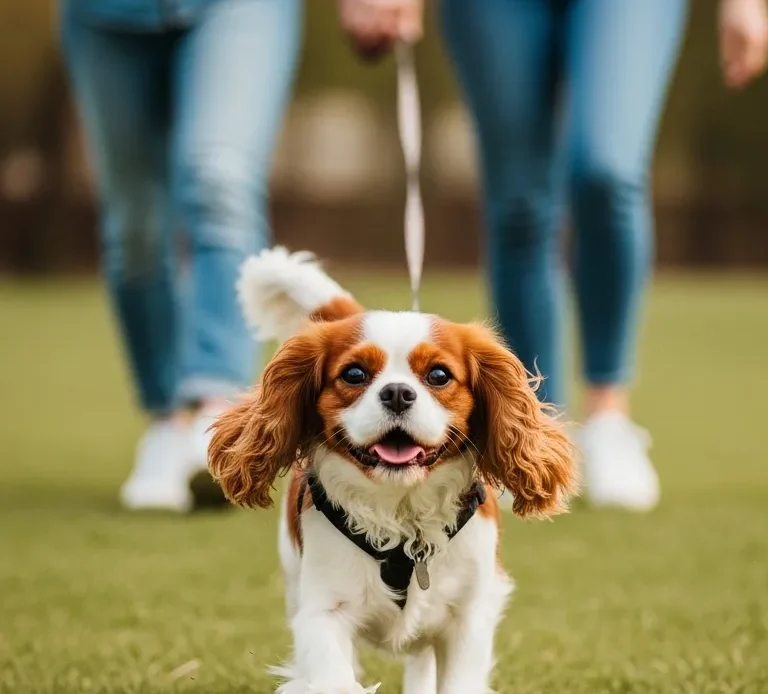
You must have seen a Cavalier King Charles Spanish and you can fall in love with him in a matter of seconds. They are soft, fawn-colored dogs that appear to be full of love, to want to cuddle, stare lovingly at your eyes, or wherever you go. But why are Cavaliers so love-making, even as compared with other breeds?
It is not only their cute appearance that is attractive to them, but there is also science and a long breeding history that contribute to their stereotypically affectionate character. Understanding why Cavaliers make such affectionate pets, pet owners can cultivate the emotional side of their relationship and build a new, even stronger bond.
We will examine the 10 adorable reasons Cavaliers are so loving, based on canine behavior studies, the breed’s history, and reviews from veterinarians and dog experts.
Table of Contents
What Are Cavaliers So Loving?

Cavalier King Charles Spaniels are regarded as one of the most lovable breeds in the world. They are highly influenced by their lineage as royal lapdogs, who were not bred to be guard dogs or hunting dogs, but rather companions.
The affectionate nature of this breed is the result of genetic inclinations, social instincts, and emotional intelligence. Cavaliers are creatures that thrive on intimacy, and hence they are considered the best therapy dogs, family companions, and lifelong companions for individuals of any age.
They have been labeled as Velcro dogs – simply because they cannot help but attach themselves to you.
The reason why it matters to dog parents.
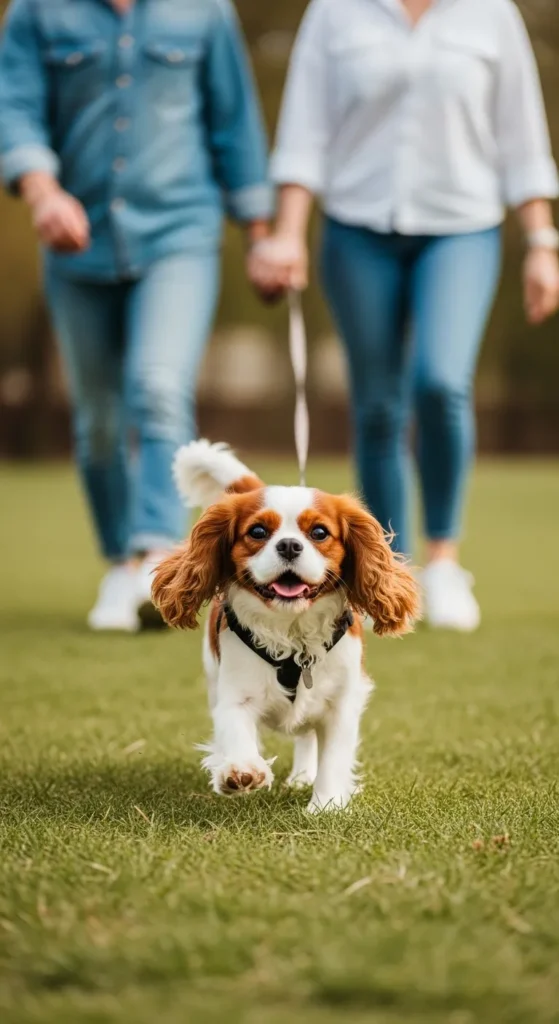
By knowing how your Cavalier is affectionate, you are enabled:
- Cultivate your emotional bond.
- Prevent separation anxiety
- Give the appropriate proportion of attention and autonomy.
- Promote their psychological and physical well-being.
Cavaliers are romantic and require human interaction to feel at ease. This identification of their needs ensures that they are happy in their relationship with you in a balanced way; that is, your pup will feel safe and loved, but not overly dependent.
10 Sweet Reasons Why Cavaliers make such loving animals.
- They were brought up to be companions. Cavalier King Charles Spaniels are dogs that were initially domesticated as lapdogs in royal courts to serve as status symbols to the English aristocracy. They were simply needed to keep humans company. The genetics of Cavaliers are not focused on independence, but on emotional connection. Unlike working breeds, which have been developed to be independent, Cavaliers have been bred to be companion dogs, which is why they love their owners as much as their instincts.
- Strong Pack Instincts Dogs are pack animals by nature, yet Cavaliers go a step further. They consider their human family as their pack, and they want to be part of it all the time, be it a nap, feeding, or watching a movie. This pack loyalty goes into the realms of unstoppable adoration and attention-seeking actions.
- High Emotional Sensitivity Cavaliers are dogs that are known for their emotional intelligence. Empathy studies of dogs suggest that dogs can read human emotions based on tone, facial expressions, and scent. This is what cavalry is best at. They appear to sense when you are depressed or upset and will always seem to comfort you by offering soft cuddles or a relaxing presence – an emotional support partner.
- Gentle, Calm Temperament They are even-tempered and relaxed, which makes them natural snugglers. In contrast to more active breeds, Cavaliers are satisfied to sit back and rest with their owners. This tranquility allows them to connect in a deeper way, without excessive stimulation and panicked actions.
- They Crave Physical Touch Cavaliers show affection by touching – leaning against you, cuddling at your lap, or cuddling against your hand. Touch makes them feel safe and boosts oxytocin in humans and dogs, the hormone that binds and makes one feel love.
- Their Favor is Positive Reinforcement. Since Cavaliers are affectionate pets, they react positively to compliments, stroking, and cuddling. Such a loop of emotional feedback, in which love and affection are rewarded, only goes to strengthen their affectionate behavior even further.
- They are flexible and outgoing. Cavaliers fit families, singles, children, and even the elderly. They are very sociable and, therefore, have no hesitation in expressing affection to almost everyone they trust. This hospitality is not confined to their owners; most of the Cavaliers are outgoing with strangers, other dogs, or even cats.
- They hate Being Alone. Their loving nature is partly based on the fact that they need someone to be with. Cavaliers have a tendency to suffer separation anxiety when left unattended over a long period of time. They can become stressed due to the absence of their pack, and hence the importance of being seen on a constant basis, or the use of a dog sitter they can trust, is paramount.
- Genetic Disposition to Affectionate Behavior. Current studies in dog genetics suggest that certain genes influence sociability and bonding tendencies. It has been said that cavaliers possess a good expression of genes related to oxytocin receptors, making them social and loving than other breeds.
- They Mirror Human Emotions Cavaliers do not simply love, they are lovelike. When you treat them with benevolence, relaxation, and love, they will repay you tenfold. Their tender and receptive natures reflect your emotional landscape, and you grow closer together every day.
Vet & Expert Insights
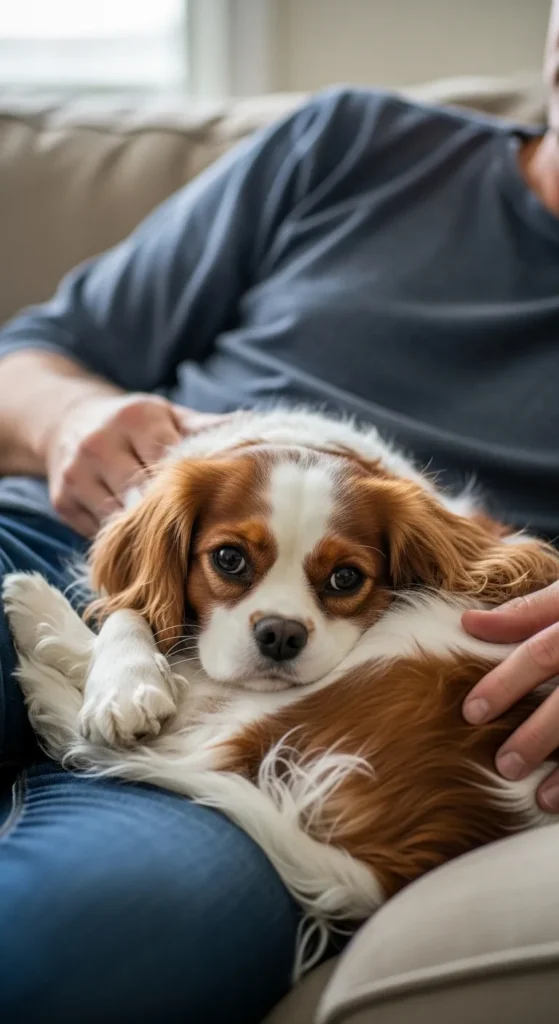
According to the veterinarians and canine behaviorists, Cavaliers are also one of the most emotionally sensitive breeds.
They are highly rated by Dr. Stanley Coren, a psychologist and author of The Intelligence of Dogs, in both obedience and emotional responsiveness.
The majority of the vets suggest regular routines, handling, and daily bonding (such as grooming or cuddling) to maintain their emotional state at equilibrium.
How to Care for Your Cavalier into a Loving Nature.
- Provide Daily Attention and Cuddle Time: Their emotional needs can be met even by 15-20 minutes of concentrated affection every day.
- Provide Mental Enrichment: Interactive toys, soft training, and games with scents stimulate their brain and prevent boredom when you are busy.
- Have a Relaxing Home Environment: Cavaliers are sensitive to tension and noisy environments. Make routines calm and routine.
- Socialize Early: Exposure to individuals and pets at an early age also makes Cavaliers show affection boldly and makes them less clingy.
- Do Not Welcome Affectionate Behavior: Avoiding cuddles or proximity can encourage misunderstanding or fear. Redirect gently instead.
Common Mistakes to Avoid
- Leaving them lonely hours.
- Failure to groom every day (bonding opportunity!).
- Applying intensive training techniques.
- Ignoring emotional cues
- Too much clinginess rather than the development of independence.
FAQ’s
What is all that my Cavalier follows me about?
It’s their pack instinct! Cavaliers always unite well and desire to be in your presence – it is how they show protection and affection.
Can Cavaliers be good emotional support dogs?
Yes! They make excellent therapy or emotional support companions due to their calm and loving nature.
Are the Cavaliers loyal to their owners or to their fans?
They usually love all people, but they will always have the strongest connection with their primary caretaker.
Are there not cavaliers too clingy?
Yes, in case they are not trained on independence. Separation anxiety is prevented by gradually teaching them to relax on their own.
But how shall I win my Cavalier to love?
Regular love, play, soft-spoken words, and physical intimacy go a long way. On your attention and trust, they feed.
Closing Thoughts
Cavalier King Charles Spaniels teach us that you don’t have to do anything fancy to express love; sometimes it is as simple as a warm hug and a wagging tail. Their loving hearts are their contribution to the world, which gives comfort, happiness, and undying faithfulness. You should love it, you should be able to care about it, and your Cavalier will pay you with a love that is unconditional, over a lifetime.