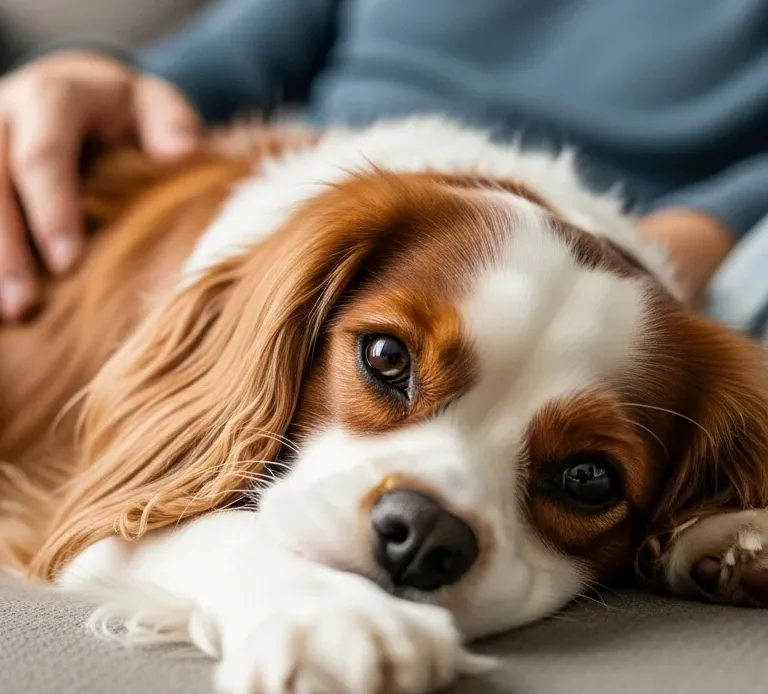
Have you ever said, My Cavalier puppy is so cute, so active! Don’t worry, you’re not alone. All those zoomies, playful nibbles and bursts of excitement may make you think that your puppy will never stop. However, there is nothing to worry about; that cheerful exuberance comes with being a growing child (and this is temporary).
Here, in this guide, we will learn the age of puppies of Cavalier sleep, what is the significance of energy in their development, and how you can assist them in becoming the calm, cuddly companions that this breed is known to be.
Table of Contents
What does the term calming down imply to the Cavalier Puppies?
As men would say, When will he lull my Cavalier? They usually mean:
- Fewer hyper “zoomie” moments
- Reduced nipping, chewing or jumping.
- More focus during training
- Longer naps or quiet cuddles
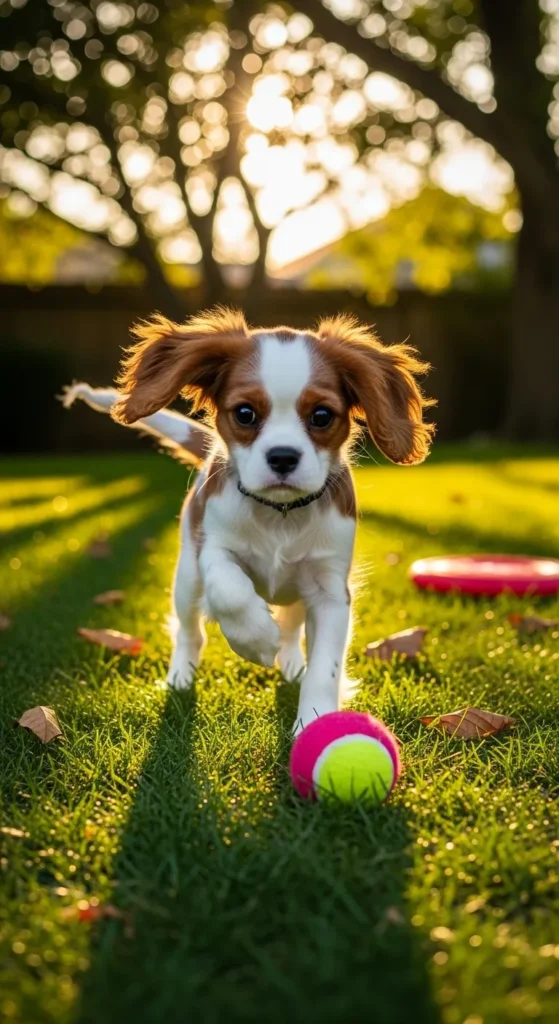
This does not happen overnight when it comes to cockier puppies of the Cavalier King Charles. Normally, when a Cavalier is 12 to 24 months old, they start relaxing, although the time taken depends on the genetic makeup, training, exercise, and environment.
They do not lose their fun personality qualities; they merely develop into a more moderate version of themselves.
The Importance of This to You and Your Dog.
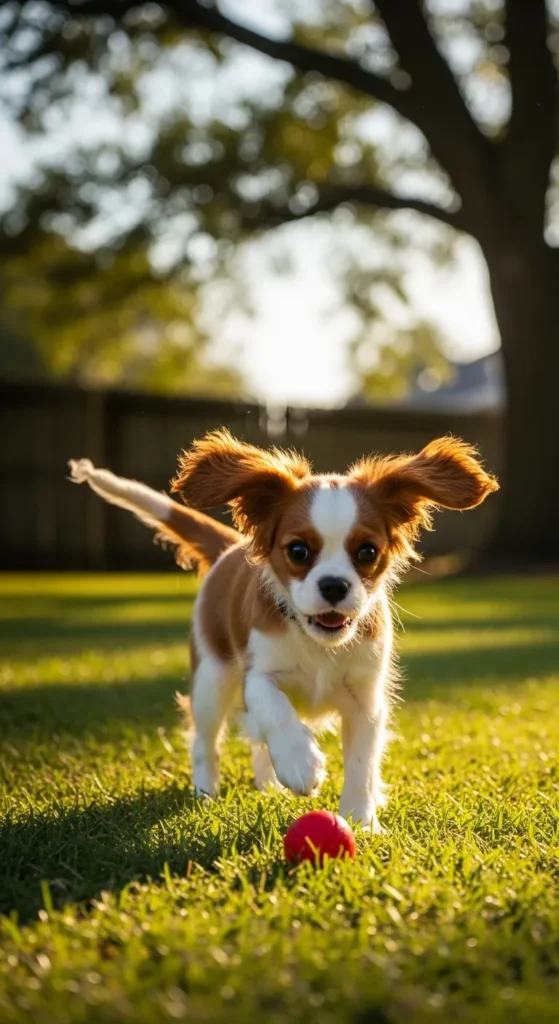
Knowing the energies of your Cavalier, you will know:
Be patient and set achievable goals, so as not to get frustrated in the course of training.
- Promote good health through exercise, relaxation, and food.
- Eliminate bad behavior: bored, under-stimulated puppies do not behave well.
- Strengthen your friendship by bringing their frolicsome out in a patient and orderly way.
Cavalries are also full of love and willing to make you happy. That unlimited puppy vitality is turned with love and time into that lasting and faithful, peaceful, kind of friend that this breed is synonymous with.
The Question of Why Cavalier Puppies Are So Active?
- Puppyhood Development: Similar to all dogs, Cavalier puppies pass through stages of fast development, physically, mentally, and emotionally. After 8 weeks to 6 months, they are finding out all about the world. They may seem to be restless or mischievous, but it is a natural development of the brain.
- Genetic Temperament: Cavaliers were reared as companion dogs, although they are also spaniels in origin; that is, there is an element of hunting and trailing in them. This is why it is possible that your puppy runs after leaves, runs after toys forever, or you hear him barking and running excitedly after birds.
- Absence of Organization or Physical activity: Unutilized energy may easily be converted into overactivity. Cavaliers are most likely to be healthy in the presence of a routine of physical activity and mental stimulation – even brief training or puzzle feeders can be used.
- Hormonal Maturity: When puppies are nearing the adolescence stage (6-12 months), hormones come into play, resulting in temporary behavioral changes such as stubbornness or a hyperactivity spurt. As soon as they become adults (they usually do it at 18-24 months), hormones are stabilized, and they are likely to calm down by themselves.
Indications: Your cavalier puppy is beginning to relax.
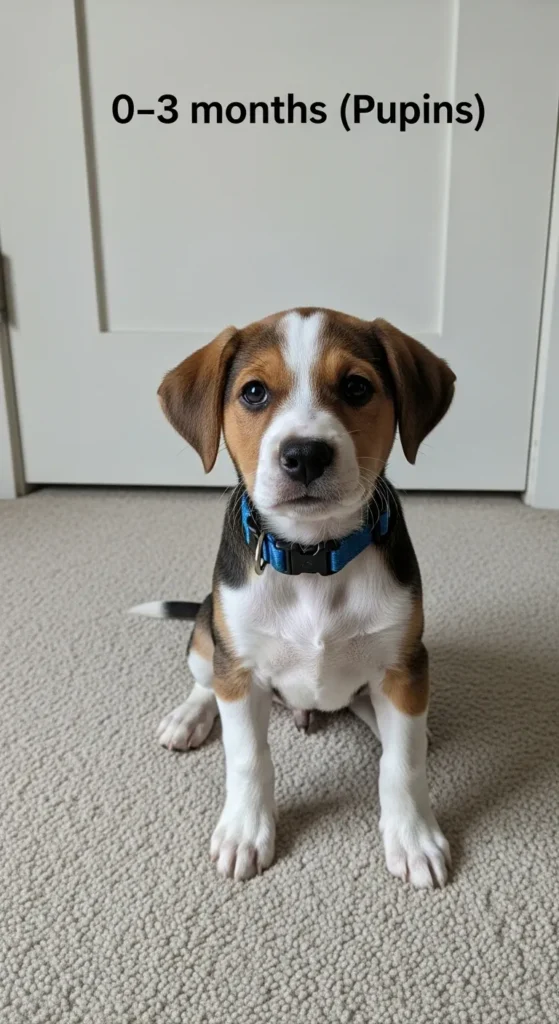
These are some of the obvious indicators that your active dog is growing up:
- Increased length of rest: Of play between naps.
- Enhanced attention: Capable of being directed and remaining task-oriented.
- Less destructive behavior: Chewing and Mouthing are reduced.
- Habitual patterns: Sleep and play.
- Greater impulse control: Reduced zoomies or barking bouts.
Keep in mind that calmness does not imply being idle; it is a moderate mode of being wherein play and rest are balanced.
On How to Teach Your Cavalier Puppy to Chill Out.
- Have a Consistent Routine: Cavaliers are creatures who love predictability. Establish routines of eating, walking, training, and taking a nap. Structure eliminates anxiety and teaches your pup to know when to play and when to sleep.
- Prioritize Daily Exercise: The Goal should be 30-60 minutes of daily exercise according to the age of the puppy. Short play, fetch and walk mixes. Puppies (younger than 6 months) should not be over-exercised as they are still in the development stages.
- Inclusion of Mental Stimulation: Cavaliers are intelligent! Give puzzle toys, snuffle mats, and short obedience or scent games so that they can put their curiosity to the test. They can be mentally enriched to an even greater extent than physical play.
- Apply Positive Reinforcement Training: The main thing is to reward calmness and not excitement. Whenever your puppy sits or lies down quietly, be sure to praise it or reward it with a treat. In the long run, they will relate tranquillity with reward.
- Conduct Appropriate Socialization: Introduce your Cavalier puppy to other humans, other pets and other environments in a positive manner. Well-socialized and confident dogs will not turn anxious and hyper.
- Ensure Adequate Sleep: The amount of sleep required by puppies is 16-20 hours per day. Barky pups are usually crazy since they are tired. Make them a comfortable, noisy, tranquil place where they can sleep.
Vet & Behaviorist Insights
According to veterinary behaviorists, hyperactivity in puppies is hardly permanent. Dr Debra Horwitz, DVM, argues that most puppies seem to settle with the maturity of the brain, especially when they are social and sexually mature, as long as they have been provided with the right outlets of both energy and stimulation.
Vets also lay stress on the part of:
- Spaying/neutering (moderates restlessness induced by hormones)
- Balanced diets (in order to keep the energy constant)
- Physical examinations to exclude possible other causes, such as thyroid disease or disorders of anxiety.
Most of the mistakes that Puppy Parents commit include.
- Exercising the puppies too much without the development of their joints.
- Strengthening excitement (inadvertently complimenting jumping or barking.
- Unpredictable schedules or disorder.
- Disregard of mental stimulation needs.
- A comparison of the timeline of the puppies- each dog is a product of its time.
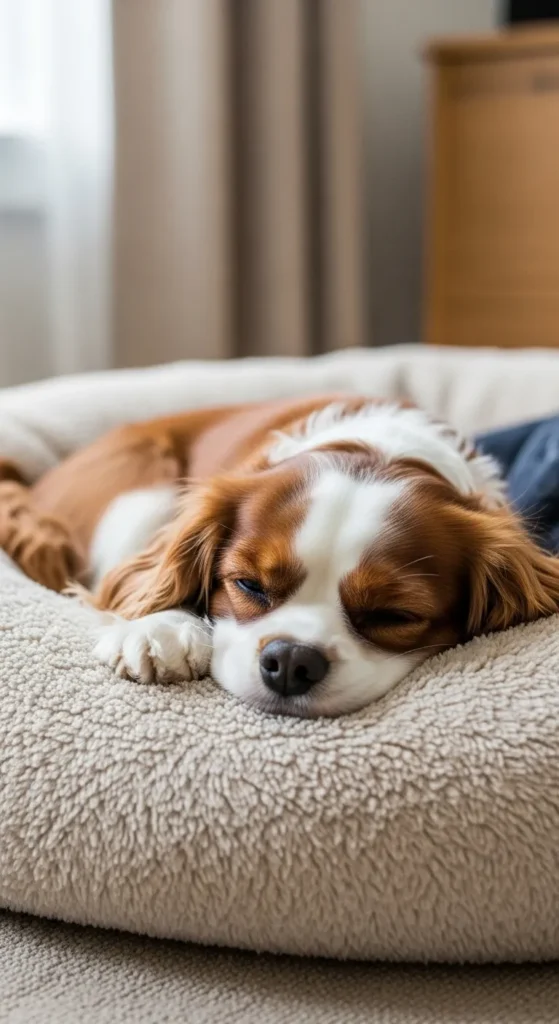
Frequently Asked Questions: How To Calm Down Cavalier Puppies?
To what age do the Cavalier puppies normally settle down?
The majority of the Cavaliers begin to settle at 12-24 months. You will see a progressive change, not an immediate change, as they grow both emotionally and physically.
Is neutering/ spaying effective at lowering energy levels?
It is able to, particularly where hormonal goals are concerned, such as restlessness or marking. Never rush your vet; he or she can advise you.
It is still hyperactive, why is my 2-year-old Cavalier?
There are Cavaliers who do not lose their playful nature long after they grow up. Ensure that they exercise and are mentally challenged on a daily basis to avoid built-up energy.
Are cavaliers generally of a collected disposition?
Cavaliers are very tender-hearted. After the puppy stage, they usually become quiet, faithful and ready to please their owners.
Is there a way my puppy can be made more energetic through diet?
Absolutely. High-sugar or filler-carbohydrate diets may result in energy surges. Prefer foods that are balanced and have moderate protein in them, are approved by the vet, and contain healthy fats.
Closing Thoughts
The sheer energy of your Cavalier puppy is what makes him so cute; it is an indication of health, inquisitiveness and happiness. That playful nature will, with time, patience, and an easy organization, grow out into that quiet, loving character to which this breed is so dear. It can be a jolly ride, but the prize is good as all the wags and zoomies!