
Take home a Cavalier King Charles Spaniel puppy, and it is nothing but happiness, such are their expressive eyes, silky ears, and soft personalities, that make them one of the most popular companion dogs. Behind all those wagging tails must be a basis of well-being and proper breeding. Unfortunately, Cavalries are susceptible to a number of inherited diseases, and making the right decision can spell out the difference between a happy life and a divorce.

In this guide, you will know how to adopt a healthy Cavalier puppy, how to identify a trustworthy breeder, and how important the health tests that should be carried out by any reputable source are. You won’t just get a beautiful pup with the right knowledge, you will be guaranteeing a life of comfort to your potential furry friend.
Table of Contents
What Is A Healthy Cavalier Puppy?

To buy a healthy Cavalier King Charles Spaniel is one thing, as it is to judge by what you see on the surface, but another thing is to consider the genetics, behavior, and early nurturing of the animal. The parent of a healthy puppy will be screened for breed-specific diseases, raised in a clean environment, and socialized appropriately.
It is not only about locating the cutest pup in the litter, but also taking good care of their heart, joints, and overall health to make their start as positive as it is possible. Conscientious choice is the greatest gift you can bestow upon your Cavalier, for a long, happy, and fruitful life.
Why It Matters For Dogs
The choice of puppies on the basis of their health helps avoid unwarranted pain in the future. Cavaliers are particularly assumed to have a genetic heart disease (mitral valve disease), and syringomyelia, hip dysplasia, and eye disorders. When purchasing a pet from a breeder with a positive attitude towards testing and ethical standards, one can minimize the distribution of such diseases in the next generations.
This way, not only do you safeguard your own pup, but you will help in making the future of the breed healthier, and that is a little show of love that will have a big effect.
General health hazards of Cavalier
Cavalier King Charles Spaniels possess an attractive disposition and some reported health issues. These are the most prevalent hereditary problems according to the medical opinion and breed clubs, such as the Orthopedic Foundation for Animals (OFA) and the Cavalier King Charles Spaniel Club (CKCSC):
- Mitral Valve Disease (MVD): This is a heart malfunction that produces murmurs and results in heart failure, which usually manifests itself in middle age.
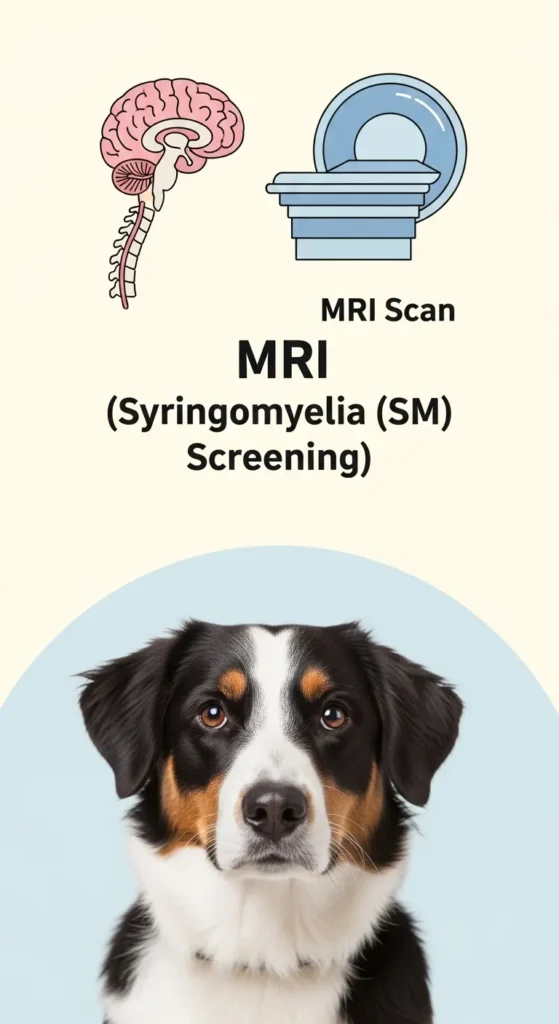
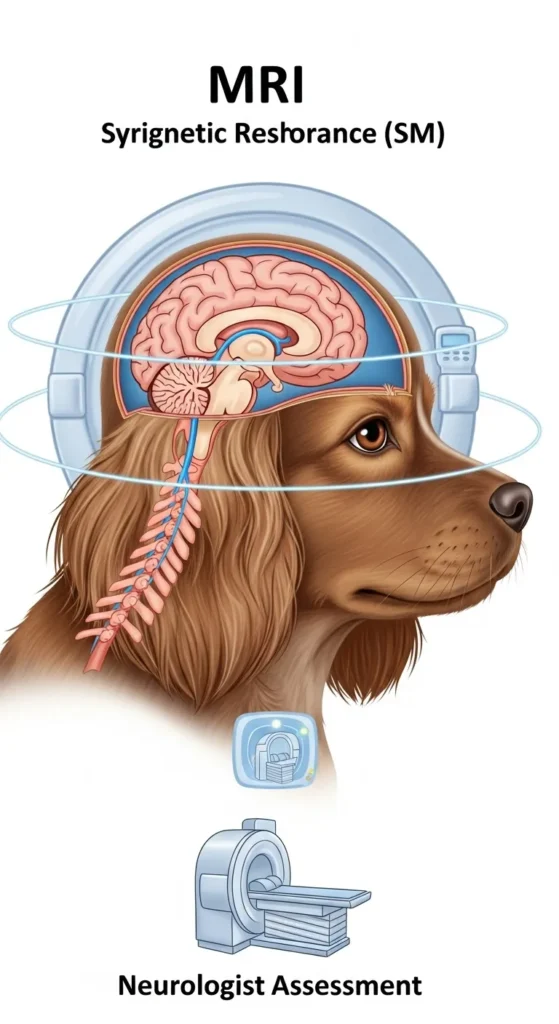
- Syringomyelia (SM): A neurological condition that is a result of malformation of the skull, resulting in fluid accumulation along the spine.
- Hip Dysplasia: a malformation of the hip joints that can lead to arthritis or limpness.
- Patellar Luxation: Slipping or aching kneecaps, which produce limping.
- Eye Disorders: This involves cataracts and eye retinal problems.
Knowing these can make you ask the breeder the correct questions, and the health test results are of good interpretation.
These are the signs of a healthy cavalry pup.
- Sharp, clear eyes, no discharge and/or cloudiness.
- Clean ears, no odor or erythema.
- Shiny coat, Soft, hygienic, and does not have dandruff or bald patches.
- Breathing, denies coughing, wheezing, and nasal discharge.
- Positive personality, Inquisitive, confident, affectionate, but not fearful or violent.
- Balanced gait, Walks without limping or wobbling.
- Good appetite, Active, and willing to feed at feeding times.
An educated Cavalier ought to appear energetic, inquisitive, and at ease with people.
Choosing a Healthy Cavalier Pup as a Service Dog – Step By Step.
1. Read All about the Breeder.
A responsible breeder is not much about money. Look for:
- Firstly, joining at least one official breed club (such as AKC, CKCSC).
- Honest communication and readiness to reveal test results.
- A hygienic, community environment in which puppies are kept indoors and are exposed to human beings.
- No overbreeding or selling to pet stores.
- Red flag: Breeders who are evasive when questioned, have more than one litter at the same time, or refuse to have you see the parents.
2. Verify Health Screenings
Demand a certification from certified veterinary organizations such as OFA, CERF, or BVA. Tests should include:
- Cardiology assessment by a board-certified cardiologist.
- Veterinary ophthalmologist examination.
- MRI diagnosis of syringomyelia (breeding dogs).
- Hip and patella evaluations.
- Take no notice of what a breeder says; always demand official certificates.
3. Meet the Parents (or See Proof)
Healthy parents increase the probability of healthy puppies. Observe:
- Repose, warm-hearted nature.
- Good trading and condition of the coat.
- No health problems or over-scratching (indication of SM discomfort).
- In case you are not able to meet them face-to-face, ask them to provide videos or live calls.
4. Assess Puppy Socialization.
Social experiences between 3 and 12 weeks determine the future behavior of a dog. Choose breeders who:
- Incidentally, expose puppies to normal household sounds and manipulation.
- Early potty training or crate training.
- Promote soft human interaction and play.
- Puppies that have been properly socialized will not tend to develop anxiety in the future.
5. Preparation Before Adoption.
A healthy puppy requires continuous attention, even though it is healthy. Schedule:
- Vet check in 48 hours of their arrival at home.
- Regular vaccinations, deworming, and parasite treatment.
- Quality puppy food with high levels of omega-3s to help the fur and the brain grow.
- Training to generate trust and obedience.
Vet Insights / Expert Notes

Veterinarians stress the fact that responsible breeding and early veterinary examinations have the most significant impact on health in the long term. Only breeders that offer written health guarantees and lifetime support of puppies should be adopted according to the recommendation of the American Veterinary Medical Association (AVMA).
Also, a lot of vets refer to potential owners of Cavalier rescue organizations, which can have health-tested dogs available to homes, which is also a rewarding and ethical option.
Common Mistakes To Avoid
- Selecting a breeder because he is cheap or convenient.
- The process of neglecting health certificates or assuming that papers mean health-tested.
- Not paying attention to hygiene problems at the early stage or scared puppies.
- Losing track of a meeting with the parents or even learning about them.
- Ignoring after-sales check-ups.
FAQ’s
At what age is a Cavalier puppy the best age to take him home?
Around 8-12 weeks old. This makes them weaned, socialized, and emotionally prepared to be separated.
What are the average prices of health-tested Cavaliers?
They will be between 2,000 and 4,000, depending on the location, reputation of the breeder, and health certification.
May I take a Cavalier rather than make a purchase?
Yes! Breed-specific rescues frequently re-home Cavaliers who are in need of loving homes, frequently having been vetted and health checked.
Are the Cavaliers growing out of heart disease?
Unfortunately, no. Even the well-bred Cavaliers can acquire mitral valve disease in their later life, although timely tests and a healthy way of life can delay the development.
My Cavalier, will I insure my pet?
Absolutely. Because Cavaliers are susceptible to some genetic problems, the comprehensive insurance would relieve the economic burden of possible veterinary bills.
Closing Thoughts
It is an act of love, not only to your future dog, but to the breed, to choose a healthy Cavalier King Charles Spaniel puppy. You are providing your new family member with the best life ever by caring about the responsible breeder, learning about genetic health, and collaborating with your vet. The proper beginning will result in additional years of cuddles, adventures, and tail wags, the best reward of all.