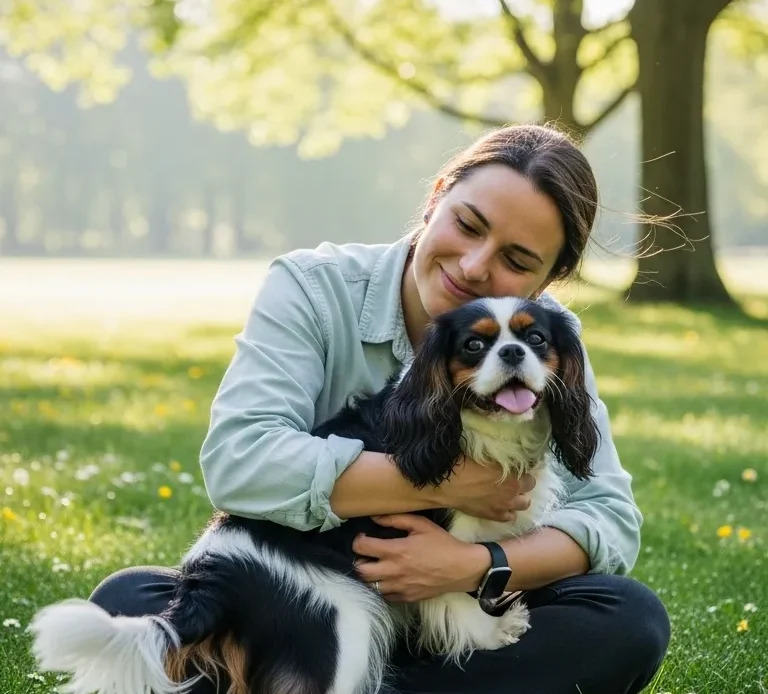
You love your Calvin King Charles Spaniel; that sleek coat, kindly face, and loving manner have charmed you every day. However, in recent days, you may have realized it was no longer so pleasant; a doggy smell had lingered. You are not the only one asking the question, Do Cavalier King Charles Spaniels smell?
The brief answer is: It is not that cavaliers are by their very nature smelly dogs. Nevertheless, other breeds may develop health or hygiene issues that can lead to odors over time. Many people can learn the difference between normal and abnormal behavior, allowing you to keep your pup clean, fresh, and healthy.
We will discuss why the Cavaliers are smelly, what the smell may be, and how to avoid it by taking good care of them. This guide is supported by the knowledge of a veterinarian, and it will guarantee that your Cavalier smells as good as their personality, which is full of love.
Table of Contents
What Does It Mean When a Dog Smells?
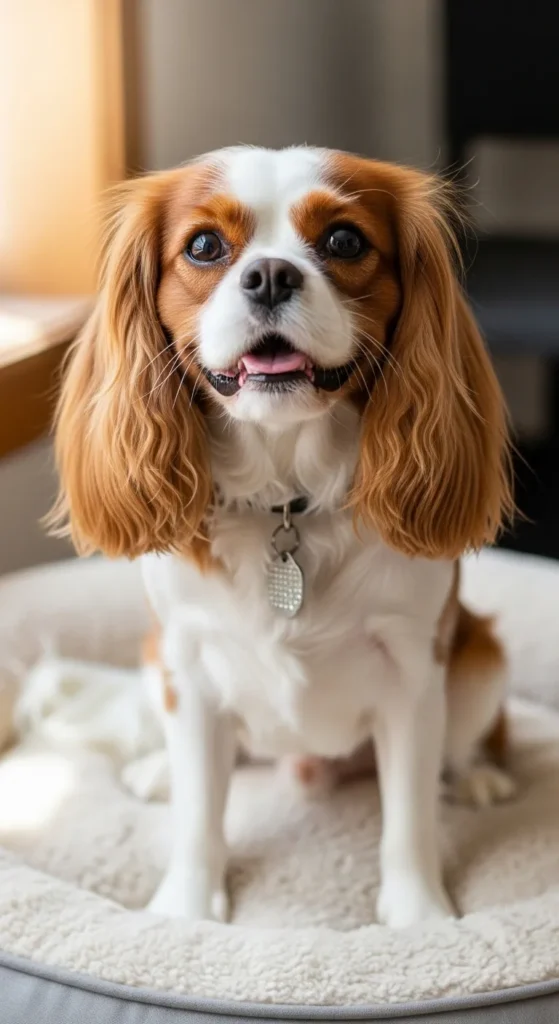
Doggy smell may be a simple, wet-dog smell or a strong, disagreeable odor. This smell is seldom a result of low levels of hygiene in Cavaliers – it is often associated with a healthy underlying health condition or grooming issue, such as an ear infection, dental disease, or skin condition.
An ailing Cavalier ought to have:
- The ears are clean, with no heavy smell.
- Breath that isn’t foul
- A non-yeasty, non-musty scent of the skin.
- A soft, comfortable coat.
Once the odor persists, it is an indicator that something in your dog’s care routine or its health needs to be addressed.
Why It Matters for Dogs
Smell is not just a problem; it can also be a symptom of something that is not working properly or of an illness. A persistent smell is a sign that there is bacteria, yeast, or an infection.
Otherwise, they may result in:
- Skin irritation or “hot spots”
- Chronic ear infections
- Periodontal disease with pain and loss of teeth.
- Impaction of anal glands is painful and uncomfortable.
The short of it is that it is not vanity that you should be sensitive to the scent of your Cavalier, but rather the early detection of minor health problems, so that you can make sure your dog is healthy and comfortable.
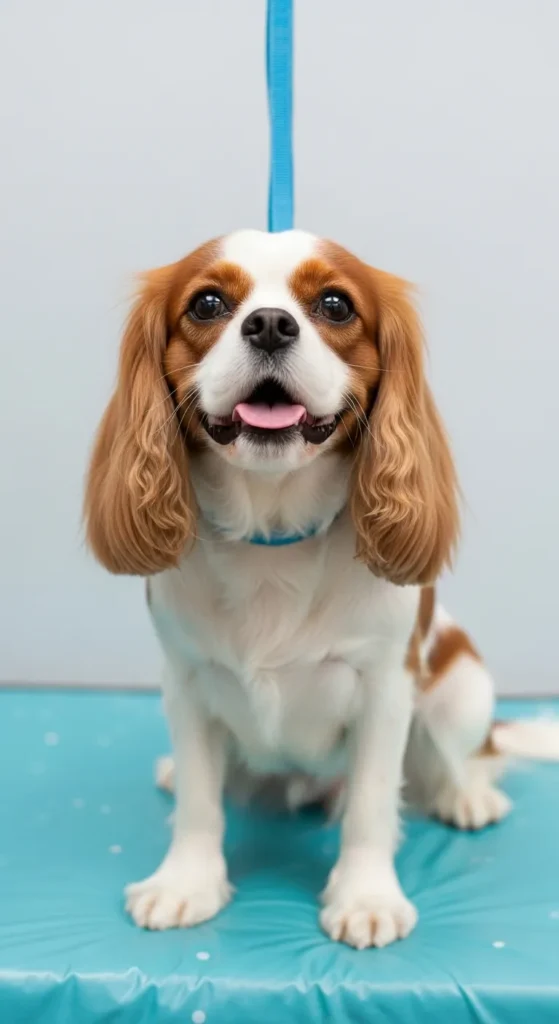
Popular Odor Causes in the Cavalier King Charles Spaniels.
We can identify the most common causes of Cavalries developing unpleasant odours and the methods to distinguish them.
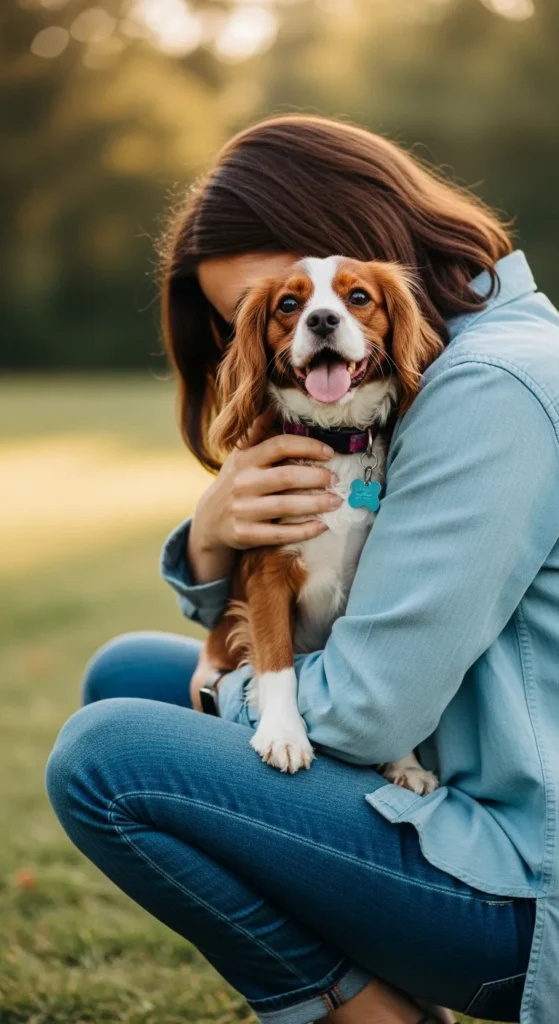
- Ear Infections (One of the Most Common Causes)
The ears of cavaliers are long, hanging, and trap moisture and warmth, creating an ideal breeding ground for yeast and bacteria.
Signs include:
- A sickly, musty smell in the ears.
- Shaking their heads or biting at their ears.
- Erosion, exudation, or paraffin.
Insight from the vet: The American Kennel Club (AKC) recommends that breeds with floppy ears should have their ears cleaned weekly to prevent ear infections.
- Dental Problems
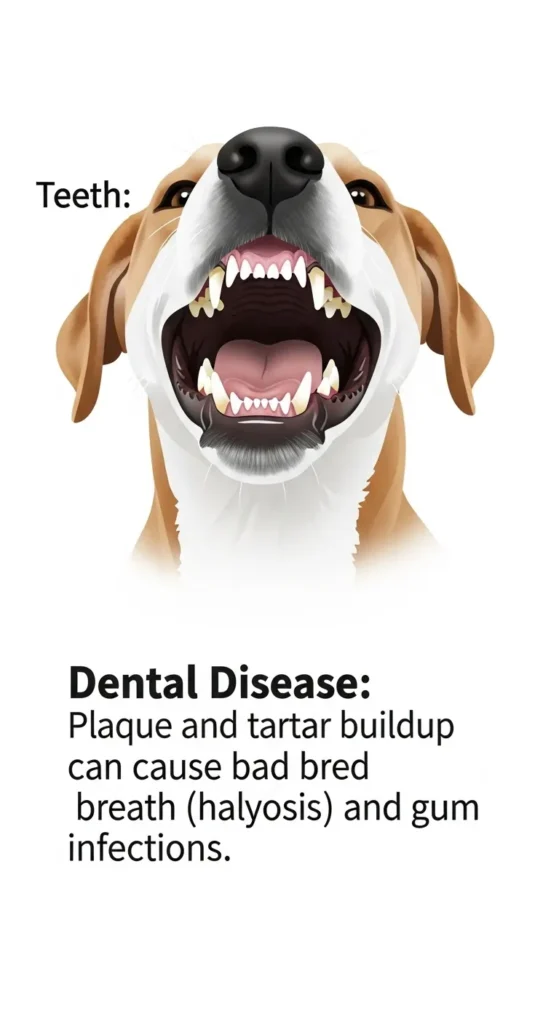
Dog odor, in the majority, is caused by bad teeth. Cavaliers are susceptible to the accumulation of plaque and tartar, which can lead to gingivitis and periodontal disease.
Signs include:
- Bad breath (halitosis)
- Brownish buildup on teeth
- Drooling or anorexia nervosa.
These problems can be avoided through regular brushing and checkups at the dentist’s.
- Skin and Coat Issues
The feathered coats of cavalry horses are thick and can harbor dirt, moisture, and bacteria, particularly when they are not brushed or dried.
Common causes include:
- Seborrhea (oily skin)
- Allergies cause the growth of the yeast.
- Poor bathing or bathing habits.
The smelly skin can be an indication of a skin imbalance that requires veterinary attention to correct.
- Anal Gland Problems
Dogs have anal glands, which produce a scent when they defecate. However, at times, the passage can become blocked or infected, resulting in a very fishy odor.
When their Cavalier licks the floor or licks and licks the place, then it is time to visit a vet or express their glands.
- Wet Dog Odor
Even a healthy Cavalier smells temporarily when he has been bathed, swam in the water, or even taken a walk in the rain. This is because the microorganisms on the skin emit odor molecules when they are wet.
Wipe your dog down and brush him afterward in order to reduce the wet dog odor.
- Diet and Digestion
Stained food may influence the smell of your dog. Food abundant in fillers or containing low-quality fats may modify the natural oils and lead to bad breath or flatulence.
To maintain healthy skin and coat, veterinarians recommend high-quality dog food rich in omega-3 fatty acids and lean proteins.
- Ear Hair and Moisture Traps
Others also have hair in the canal of the ear, which traps debris. Periodic clipping and cleaning will avoid the buildup of odors.
Signs & Symptoms to Watch For
Whether the smell of your Cavalier changes or grows stronger, watch:
- Continuing yeast-like (skin or ears) odor.
- Stinky breath despite cleaning.
- Greasy or sticky coat
- Itching or licking paws
- Scooting or butt dragging.
- Red patches or sores
These symptoms could be symptoms of infection or inflammation – see your veterinarian for a proper diagnosis.
Tips of care, Prevention, Solutions.
1. Bathe Regularly but Gently
Cavaliers should be bathed every 4-6 weeks in a mild and pH-balanced dog shampoo.
You should not overbath and remove the natural oils.
Never leave any water in and never leave it undried after thorough rinsing – any water left causes an odour.
2. Brush Often
The combination of daily brushing of teeth will eliminate dirt, spread oils, and stop matting. Focus on:
- Feathered (ears, tail, chest)
- At the back of the ears and the belly.
- It is also a way of eliminating that doggy smell between baths.
3. Maintain Dental Hygiene
Clean the teeth of your cavalier 3-4 times a week with dog-safe toothpaste. Include dental chews or dentally acceptable water additives that are listed on the Veterinary Oral Health Council (VOHC).
4. Clean Ears Weekly
Clean the ears using an ear cleaner that is vet-approved. Wipe lightly the inner canal with gauze – do not put cotton swabs deep into the canal.
5. Feed a Balanced Diet
Good and healthy skin, digestion, and coat are supported by a healthy and high-quality diet. Look for foods with:
- Omega-3 and omega-6 fatty acids
- The first ingredient is real meat.
- No artificial preservatives, colors.
6. Dry After Baths or Swimming
Wipe your Cavalier completely dry, on the towel or the low-heat blow dryer, particularly around the ears and the neck.
7. Arrange a Routine Check up of Vets.
An annual check-up helps prevent infections, dental illnesses, and allergies. The prevention of chronic odor and discomfort takes place through early treatment.
Vet Insights & Expert Notes
Veterinarians state that smell is a symptom, not a breed characteristic. Cavalier King Charles Spaniel is not necessarily a stinky dog; most of the odor problems are caused by avoidable factors.
Dr. Karen Becker, DVM, believes that the key to keeping dogs fresh lies in taking care of healthy skin, coat, and dental health. She observes that unpleasant smells are significantly reduced by frequent grooming and an appropriate diet.
Dr. Lisa Lippman (NYC Vet) also notes that dogs whose ears are floppy, such as Cavaliers, are likely to get ear infections if their ears remain wet or dirty. The most important thing is the prevention of cleaning and airflow.
Common Mistakes to Avoid
- Applying human shampoo (it interferes with the pH balance)
- Washing skin: This results in overbathing, which leads to dry and scaly skin.
- Disregard of subtly smelling odors or discharge.
- Omission of ear cleaning after swimming.
- Omitting dental care practices.
- The failure to groom in the shedding seasons.
FAQ’s
Are the Cavalier King Charles spaniels inherently stinky?
No. Cavaliers do not have a good natural smell. When they are stinking, they normally feel groomed or unhealthy.
What is the frequency of Cavalier bathing?
Every 4-6 weeks is ideal. Baths should be done more often, except by prescription of a vet.
But what shall I do when the ears of my Cavalier smell?
A musty or sour smell of the ear is probably evidence of infection. Wash soft and book an appointment with the vet.
Are Cavaliers easily given bad breath?
Surely they tend to accumulate tartar. Dental chews and regular brushing would work.
Can diet really cause odor?
Yes. Unhealthy food influences skin oils, digestion, and breath. This can be prevented by high-protein, balanced diets.
Closing Thoughts
A fit Cavalier King Charles Spaniel should not reek of bad smell. When your dog smells, they are attempting to alert you that something is wrong; maybe it is time to bathe him, play with his ears, or take him to the doctor. Through regular attention to grooming, proper nutrition, and a bit of detail work, your Cavalier will always remain as clean and sweet-smelling as the loving companion that he or she is. Note: a healthy dog is a happy one, and a fresh one is healthy.