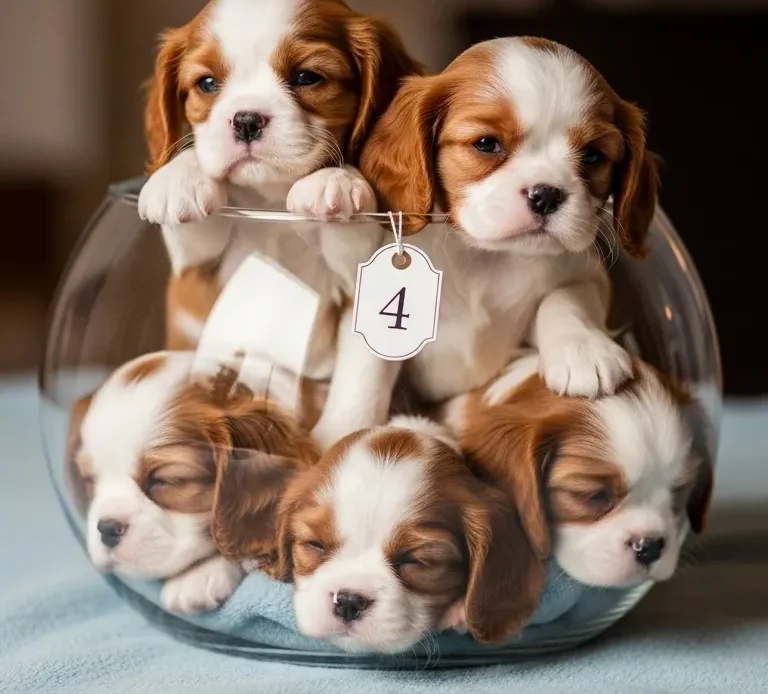
When you have ever been in love with the loveliness, the soulfulness of the eyes of a Cavalier King Charles Spaniel, you can understand why so many families have fallen in love with this loving breed. As a breeder or a young dog owner, knowledge of the average Cavalier King Charles Spaniel litter size can aid you in making preparations before and during pregnancy, caring for your puppy, and ensuring the well-being of your dog.
Cavaliers are small dogs, unlike large breeds, which may give birth to large litters; therefore, their litters are small as well. However, what is considered normal varies depending on the mother’s genetics, health, and age. Being aware of expectations can help ensure that mom and puppies are healthy during pregnancy and birth.
This guide will cover all the information you need, including the average size of litter required, factors that affect this, insights from veterinarians, and useful tips for care to ensure a safe and happy whelping experience.
Table of Contents
What Is Litter Size?
The size of litter is used to refer to the number of puppies born per pregnancy. The litter size of dogs can vary significantly, depending on breed, size, health, and previous reproductive history.
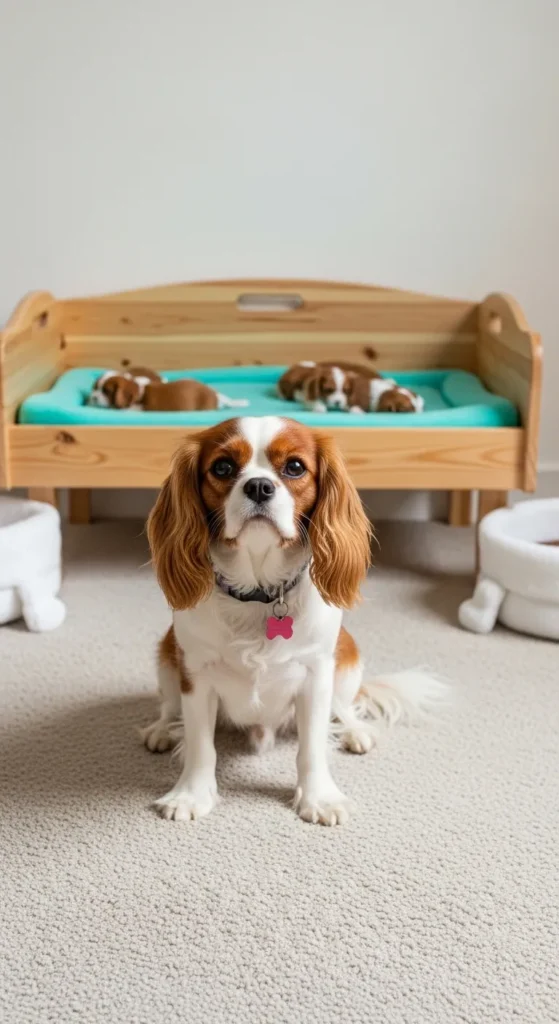
In the case of Cavalier King Charles Spaniels, the average litter size is 3 to 5 puppies, according to statistics from the American Kennel Club (AKC) and reproductive research conducted in veterinary offices. There are Cavaliers with merely 1-2 pups, and very large litters of 6 or 7, sometimes be met with–but not so frequently.
Knowing the size of an average litter is not only about the figures; it is also a major element of responsible breeding, predicting the whelping requirements, and helping your Cavalier stay healthy during the pregnancy and after.
Why Litter Size Matters
Information on the average size of a cavalier litter is useful in:
- Management of Health and Pregnancy: Smaller dogs may experience difficulties during delivery; the veterinary team can better plan for the expected birth.
- Breeding Ethics: Responsible breeders would also want to have healthy, not overweight, litters to allow the mother to be stress-free and have no complications.
- Financial Preparation: Puppy Care – Vet Visits, Nutrition, Vaccinations – Costs: Knowledge of litter size would help prepare for these expenses.
- Puppy Care Preparedness: Whether you are a breeder or adopter, having knowledge of litter expectations will enable you to ensure that the puppies receive the appropriate level of attention and care.
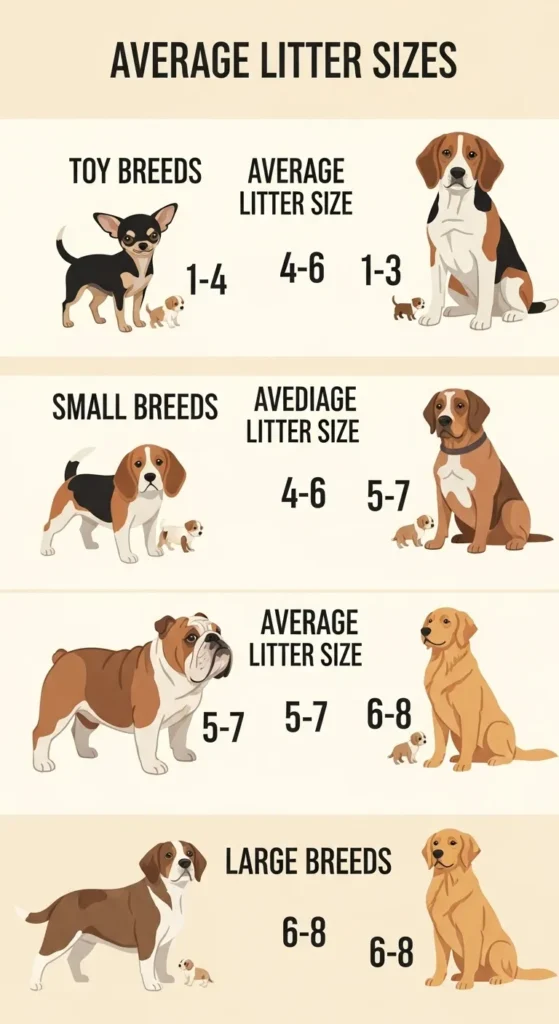
Causes/Background Information: Factors That Affect Litter Size.
A number of biological and environmental conditions influence the number of puppies that a Cavalier King Charles Spaniel is likely to have in a litter.
1. Genetics
Maternal breeding has its part to play; certain bloodlines tend to produce either slightly larger or smaller litters. Conscientious breeders follow this approach for generations to achieve healthy breeding results.
2. Age of the Female
The number of litters in first-time mothers (less than 2 years old) is often smaller, typically ranging from 1 to 3 puppies. The lowest age at which fertility is the highest is between 2 and 5 years, where litter sizes are usually the largest and pregnancy is healthier. Fertility and litter size are likely to decrease after approximately 6 years.
3. Nutrition & Health
The balanced meal that is high in proteins, omega fatty acids, and necessary vitamins is healthy in terms of reproduction. Fertility and litter size can be decreased by malnutrition, obesity, or chronic diseases.
4. Breeding Timing
The time from mating to ovulation has a significant influence on litter success. Progesterone testing helps experienced breeders and veterinarians identify the optimal breeding period.
5. Male Fertility
The sperm count of the sire, his age, and health are also critical. The male reproductive system is well-functioning and in good health, which means the production of more viable sperm and, thus, an increased probability of fertilization.
6. Environmental and Stress Factors
Stress-inducing factors, including noisy surroundings, poor housing, or exercise, among others, may disrupt hormonal equilibrium, which impacts fertility and litter viability.
Pregnancy is a natural event during which the body undergoes unique changes, and the condition depends on the phase a woman is experiencing, such as the first trimester, the second trimester, or the third trimester. After breeding, the initial signs of pregnancy in a Cavalier King Charles Spaniel may be:
- Gaining of slight weight and thickening of the abdomen within 3-4 weeks.
- Reduced activity or increased rest-seeking.
- Hunger or alteration of food preference.
- Blown-up nipple or pinkishness.
- Light-headed morning sickness in the early pregnancy (vomiting or lack of appetite)

Pregnancy can be confirmed by either ultrasound (from day 25 to 30) or X-rays (after day 45). This method can also be used to make a more accurate estimation of litter size.
Care Tips Pregnancy During and After.
1. Book routine Veterinary examinations.
Prenatal care at an early stage can help control a mother’s health, provide proper nutrition, and identify possible complications. Cavaliers are prone to experiencing dystocia (difficult labor), and as such, your veterinarian may advise you to pay close attention to them during the whelping process.
2. Provide a Balanced Diet
Feed a high-quality pregnant and nursing dog food – this is high in calories, calcium, and DHA, which are required during the development of the fetus.
3. Prepare a Safe Whelping Area
Prepare a physiologically sound whelping box in a clean, dark, and cool environment that the mother will feel safe in. Bedding should be soft and washable, and pets other than the one being boarded should be excluded.
4. Monitor During Labor
Cavaliers naturally whelp, and, owing to their size, others might require cesarean operations. Symptoms of trouble will be extended contractions to no puppy, excessive bleeding, or excessive distress. Call your vet.
5. Support the Newborn Puppies
Ensure the puppies suckle within the first hour to receive colostrum, which is rich in antibodies that protect against diseases. Weigh puppies daily to track their growth and prevent dehydration.

Vet Insights / Expert Notes
Small breeds, such as Cavaliers, as veterinarians note, are more likely to be challenged during birth, and hence, proactive attention is of the utmost importance.
According to Dr. Jerry Klein, Chief Veterinary Officer of the AKC, small dogs typically have a narrow spine, which can make it difficult for them to give birth to large puppies.
Numerous vets suggest taking into consideration a deliberate C-section in case of older or smaller dams to minimize risks.
Veterinarians also warn against breeding back-to-back, as a heat period of rest between litters is necessary to allow the body to recover.
State-of-the-art breeding must always prioritize the long-term well-being of the mother over the size of the litter.

Common Mistakes to Avoid
- Premature breeding (below 18 months)
- Omission of pre-breeding health check.
- Pregnancy is subject to overfeeding (it may lead to obesity and complications)
- Neglecting the distress during labor.
- Unplanned and unsupported breeding.
- It was expected that all Cavalry should carry big litters. Little litters are all right and well.
FAQ’s
How many litter does the Cavalier King Charles Spaniel average?
The average number of puppies per litter among Cavaliers is typically 3 to 5, but the range can be as high as 1 to 7.
Are the litters of Cavaliers small in comparison with those of other breeds?
Yes. Their litter sizes are typically smaller than those of medium and large dogs, as they are a toy breed.
Is it possible that large litters can be possessed by Cavaliers?
It’s possible but uncommon. Puppies over 6 years are a rare breed, which should be strictly supervised by a vet.
What quantity of litters does a Cavalier safely bear in her life?
The vets would suggest at most 3-4 litters per pregnancy, and the rest she has to take between pregnancies to secure her health.
What is the shortest time interval between births of a Cavalier?
Technically following her second heat (some 6 months later), but responsible breeders allow her time to rest and hormonally and physically, before breeding again.
Closing Thoughts
Cavalier King Charles Spaniels can have small pups, yet these puppies are filled with a great deal of joy and love. Knowing the litter size of the average mother will give you a chance to give mom and babies the best care possible. With appropriate veterinary advice, nutrition, and a relaxed atmosphere, you will be guaranteed that the pregnancy and the birth of your Cavalier will go smoothly. Always keep in mind that quality care and compassion are always better than quantity.