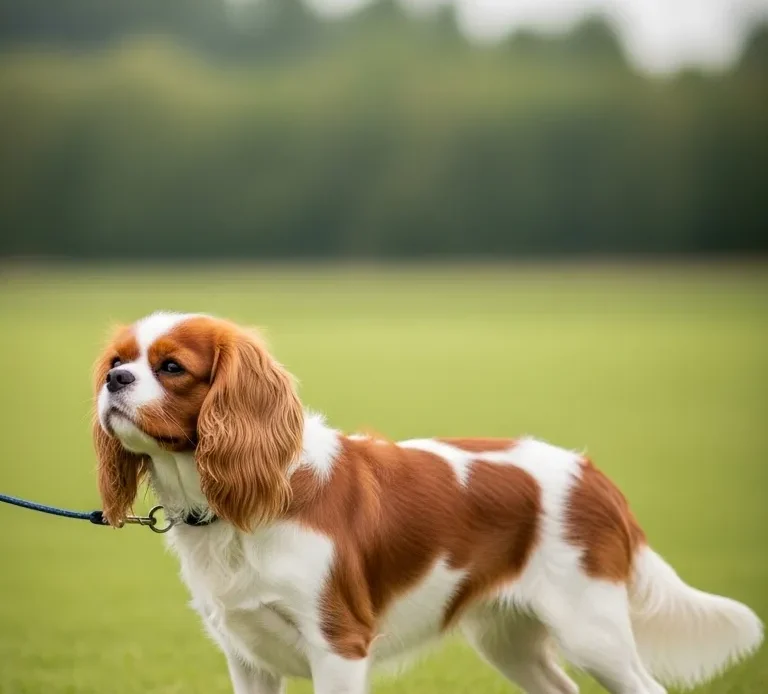
And to think this plucky friend is trailing behind them and scaring game! However, you may be pleased to discover that Cavaliers were first bred as game hunters and court lap dogs, with a sporty strain.
And therefore, are Cavalier King Charles Spaniels still hunters today? We are going to explore their intriguing history, natural instincts, and how these apply to their lives in the modern world as adorable family pets.
Table of Contents
What Does It Mean to Be a Hunting Dog?
A hunting dog (or gun dog or hunt dog) is a breed that has been used to aid hunters in the location, flushing, retrieval, or tracking of game.
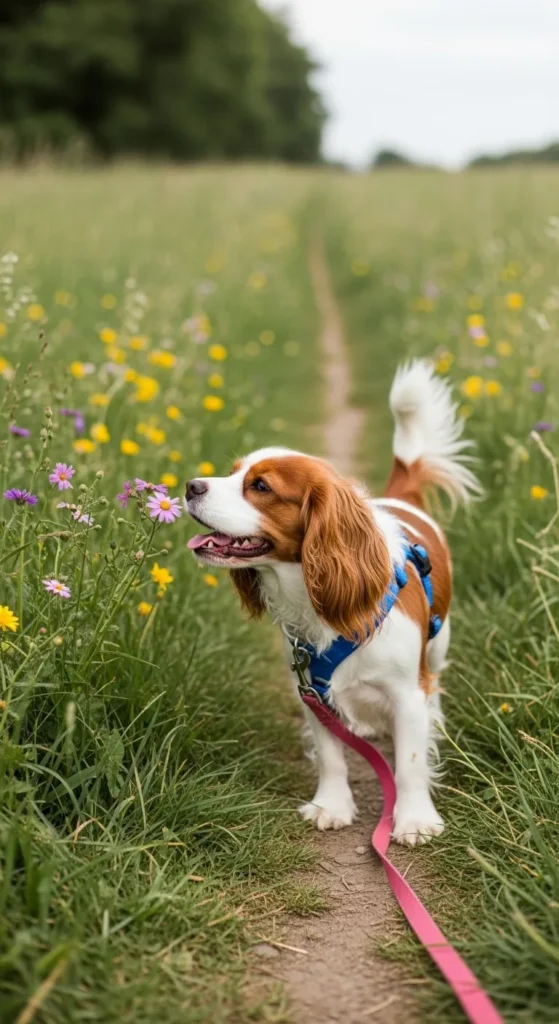
Conventional hunting dogs come in a number of categories:
- Pointers and Setters – find game birds.
- Bring back the game – bring back the shot.
- Spaniels – bust game behind cover so that hunters can shoot.
Cavalier King Charles Spaniels are descendants of sporting spaniels from the early ages, which were used by the nobles of Britain. The instincts are not entirely extinct, even though their hunting skill have been refined over the centuries of selective breeding of companions.
Why It Matters for Cavaliers
The knowledge of the hunting history of your Cavalier will assist you in addressing both the mental and physical needs of your Cavalier in the present day. Although the majority of the Cavaliers do not hunt, they have a great instinct to run away, sniff, and be around their humans.
The knowledge of these instincts may assist you:
- Give improved enrichment and exercise.
- Contain chasing behaviors.
- Select activities that please the spirit of a dog (scent work or fetch).
The Origins: The Hunting Companions to the Royal Favorites.
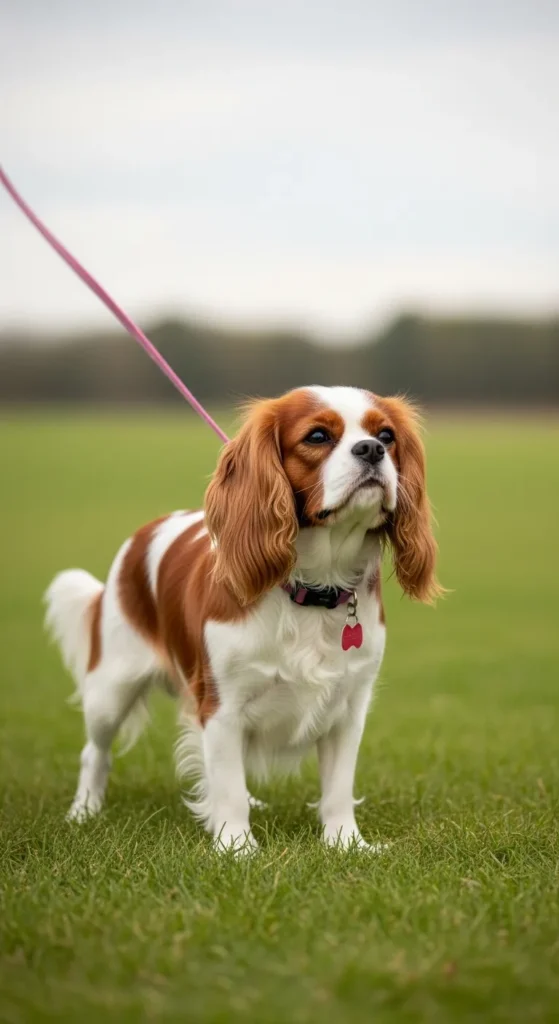
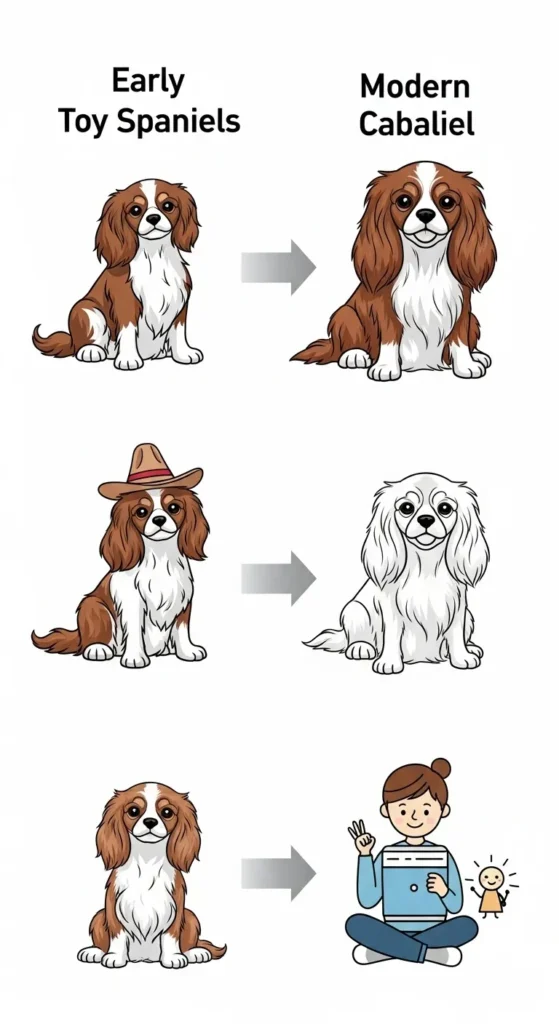
The origin of the Cavalier King Charles Spaniel can be traced back to the Toy Spaniels used during the Renaissance. These little spaniels were used by nobles to flush small birds, such as quail or partridge, on hunts, but they were equally sought after due to their warmth and charisma.
King Charles II of England developed a passionate attachment to his little spaniels in the 17th century, hence the naming of the dogs. As generations passed, they became less concerned with hunting skills and more with temperament, size, and physical attractiveness, which transformed them into lap dogs rather than working dogs.
Even so, their spaniel genes persist. Field-dog traits are still evident, especially in their quick reflexes, keen noses, and eagerness to please.
Remain of Hunting Instincts Cavaliers.
Some instinctive habits, though your Cavalier may never have seen the hunting field, indicate his sporting ancestry. Ordinary instincts of a hunting nature are:
- Scent Tracking: Cavaliers possess sharp noses, and they enjoy taking in the scents around them as they walk.
- Chasing Birds or Squirrels: A fragment of their flushing instinct.
- Waryness: They are watchful of things and always seem to see the game before you.
- Retrieving: Retrieving is liked by many, a reference to the instinct of retrieving.
- Stamina Play: They have bursts of unexpected stamina, although they are not larger.
A formal hunting would not be based on these instincts, yet these instincts condition the interactions of the Cavaliers with the environment.
Do We Still Have Cavalries to Hunt?
Although this is rare, some owners have managed to teach their Cavaliers basic fieldwork or scent work. They will not be able to compete in high-drive spaniels, such as Cocker Spaniels or Springer Spaniels, but will perform well in light retrieving and scent-tracking games.
The companion dogs are the majority of modern Cavaliers, and they are bred to live in loving homes instead of hunting grounds. They are less adapted to sporting competitions than family life, therapy work, and obedience training, which are all aspects of their low prey drive and gentle behavior.
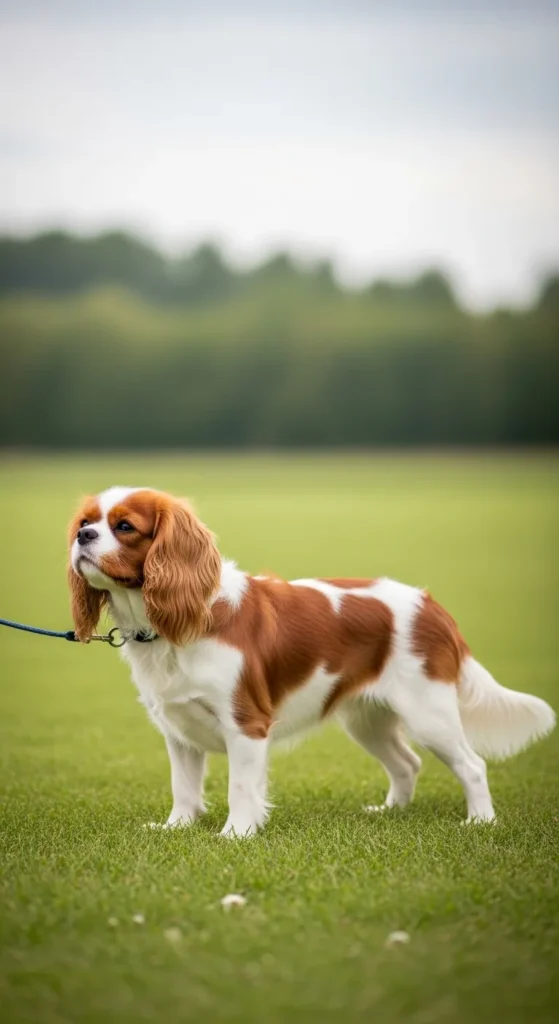
The Question of Directing Their Natural Instincts.
- Scent Games and Nose Work
Place hidden items all over the house or the yard and make your Cavalier search to find them. It utilizes their inherent tracking skills and provides a good workout for the brain.
- Fetch and Retrieve Play
A mere playing of fetch simulates the instinct of retrieving. Play with soft toys and complement their attempts to make it come back.
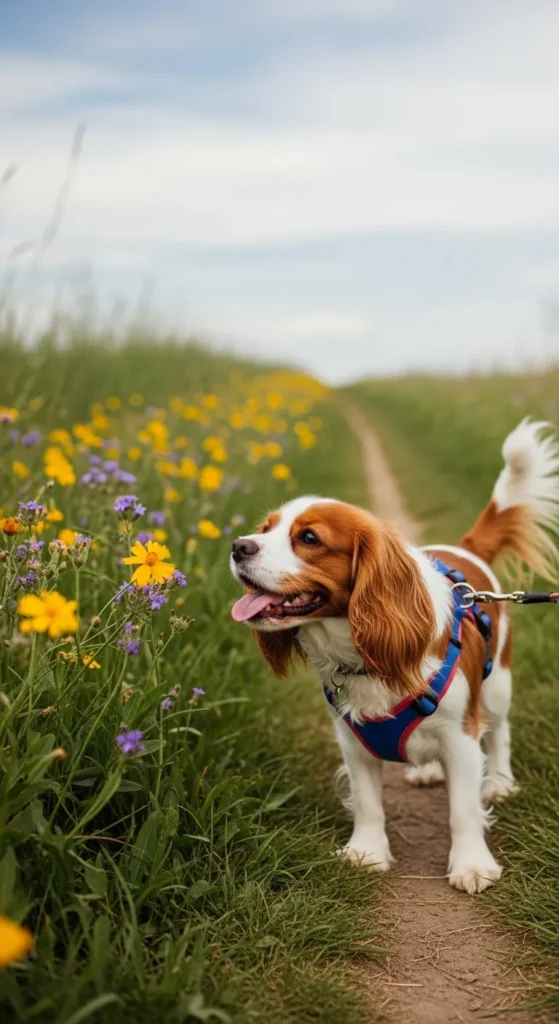
- Walks and Excursions through Nature.
Also permit sniffing and wandering on walks. It is not distracted ambulation, but rather inborn enrichment!
- Interactive Toys
Their intelligence is tested with puzzle feeders and treat-dispensing balls, and they simulate foraging behavior.
- Safe Play (Fenced) Off-Leash.
When your Cavalier is highly recalling, a free safe time will make them use their spaniel energy naturally.
Vet & Expert Insights
According to veterinary behaviorists, although Cavaliers are not typically considered vigorous hunting dogs, they still require daily exercise and mental stimulation. According to the American Kennel Club (AKC), they are considered a Toy Group dog, but it recognizes their sporting legacy and activity.
Specialists underline that the lack of fulfillment of instincts, such as the need to chase or investigate something, may cause boredom or even slight anxiety. Although it is a little and constant provision of such tendencies, in your Cavalier, it keeps him all dependent.
Common Mistakes to Avoid
Presume they are lazy lapdogs. Several medium activities and play are required of cavaliers.
Disregarding scent-driven behavior. Sniffing is not bad manners and is beneficial to one’s health.
Using harsh training. Their sensitivity requires gentle positive reinforcement.
Ignoring the weight management. Unless exercised, Cavaliers are susceptible to obesity.
Allowing them to freely roam in insecure places. Still, they can hunt wild animals.
FAQ’s
Weren’t the Cavaliers, first of all, bred as hunters?
Yes. The Cavalier is a descendant of Early Toy Spaniels that were crossbred to chase small birds on a hunt and then come back to be warmed by their owners’ laps.
Is it possible to train cavaliers today to hunt?
Technically, yes, but it’s rare. They like scent games and fetch, and their instincts are not as strong as those of the old-fashioned gun dogs.
Is the prey drive of the cavalry high?
Usually mild. They can pursue birds or squirrels because of curiosity, but are seldom persistently aggressive toward their prey.
How many hours do you think a Cavalier should exercise a day?
Approximately 30-60 minutes of physical activity and running to meet the moderate intensity.
What is the best pet: a cavalier lapdog or a working dog?
They are mostly companion dogs, which are loving and flexible but still love an adventure.
Closing Thoughts
Although your Cavalier King Charles Spaniel is not flushing quail or retrieving ducks, that is still a part of them. Their curious noses, impatient pursuits, and spurts of activity are linked with an interesting past. And take on that mix of aristocratic style and athletic flair– it is what makes Cal Englishmen of all kinds.